
Use Waste; No Waste; Irish Designer Laoise Carey Launches Eclectic AW22 Collection Using Recycled Fabrics
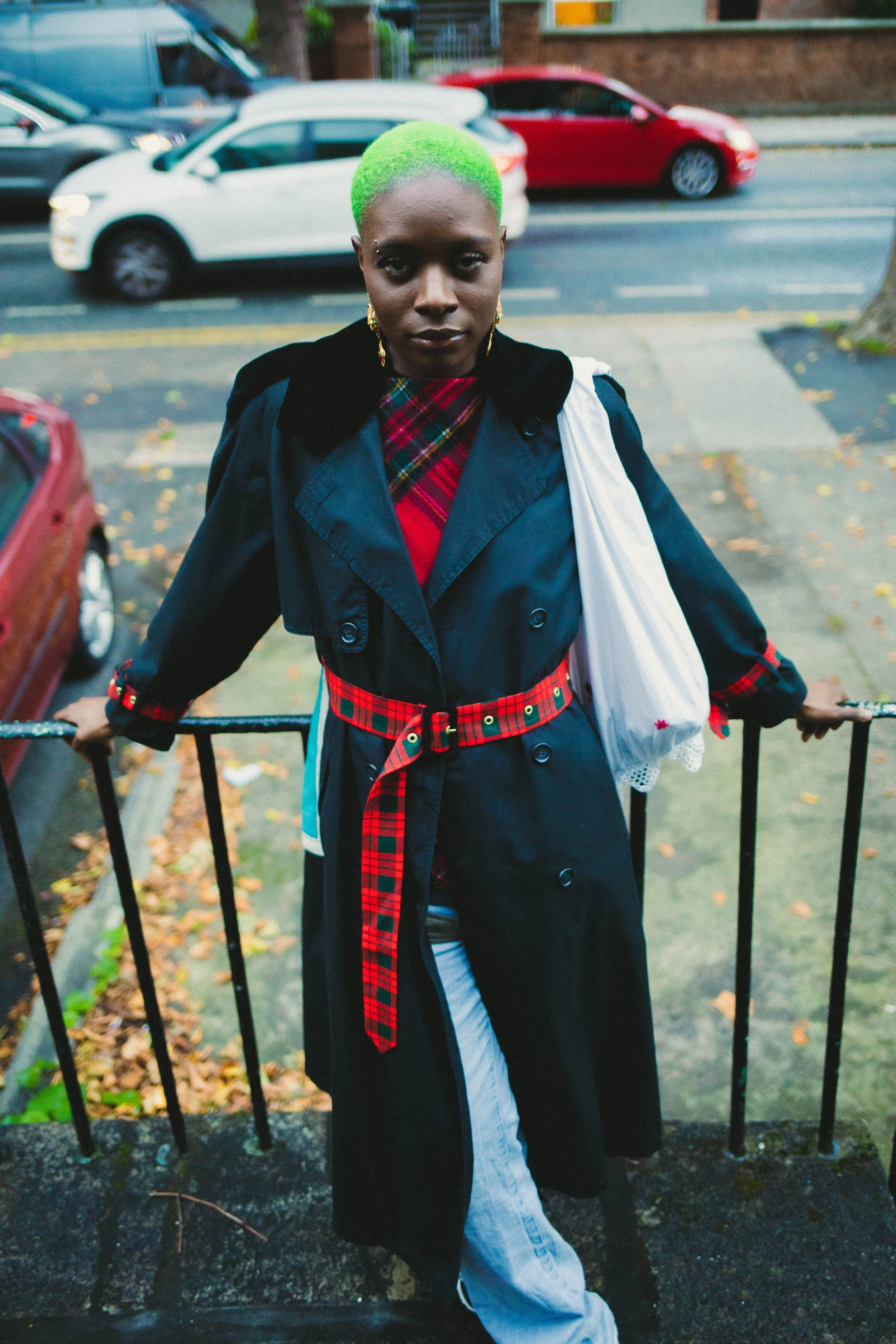
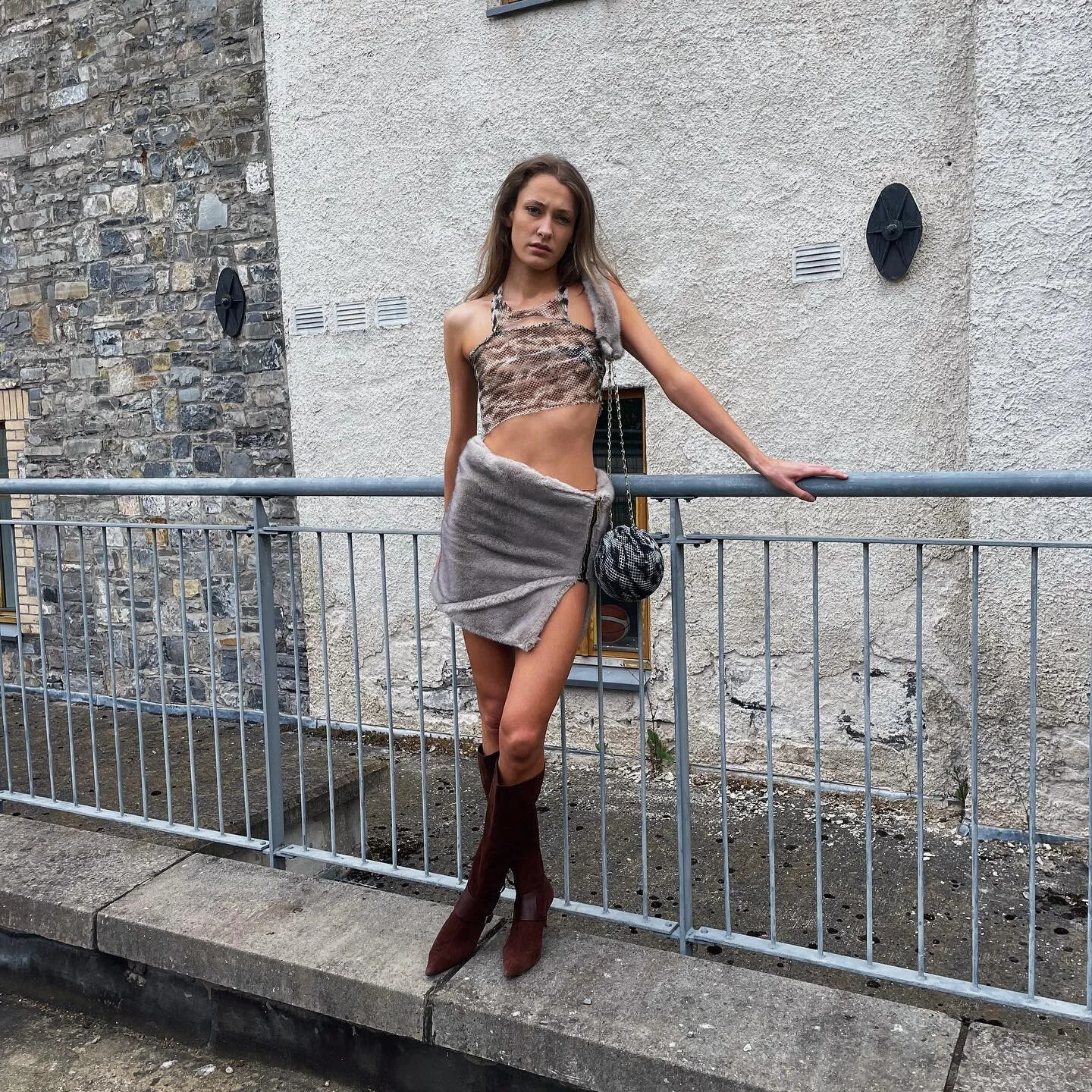
Sustainability has always been at the forefront of Irish designer, Laoise Carey’s mind. Creating her amazing collections from using only waste fabrics, the Tipperary native shows off an outstanding level of craftsmanship and pattern making, using a variety of tartan fabrics for her latest AW22 range.
Conscious of saving the planet one garment at a time, this reuse of fabrics is what we need to see more of. It’s circular, it’s sustainable, and stylish! We ask Laoise about how she sources fabrics, her alternative creative outlets, and support within the Irish fashion industry.
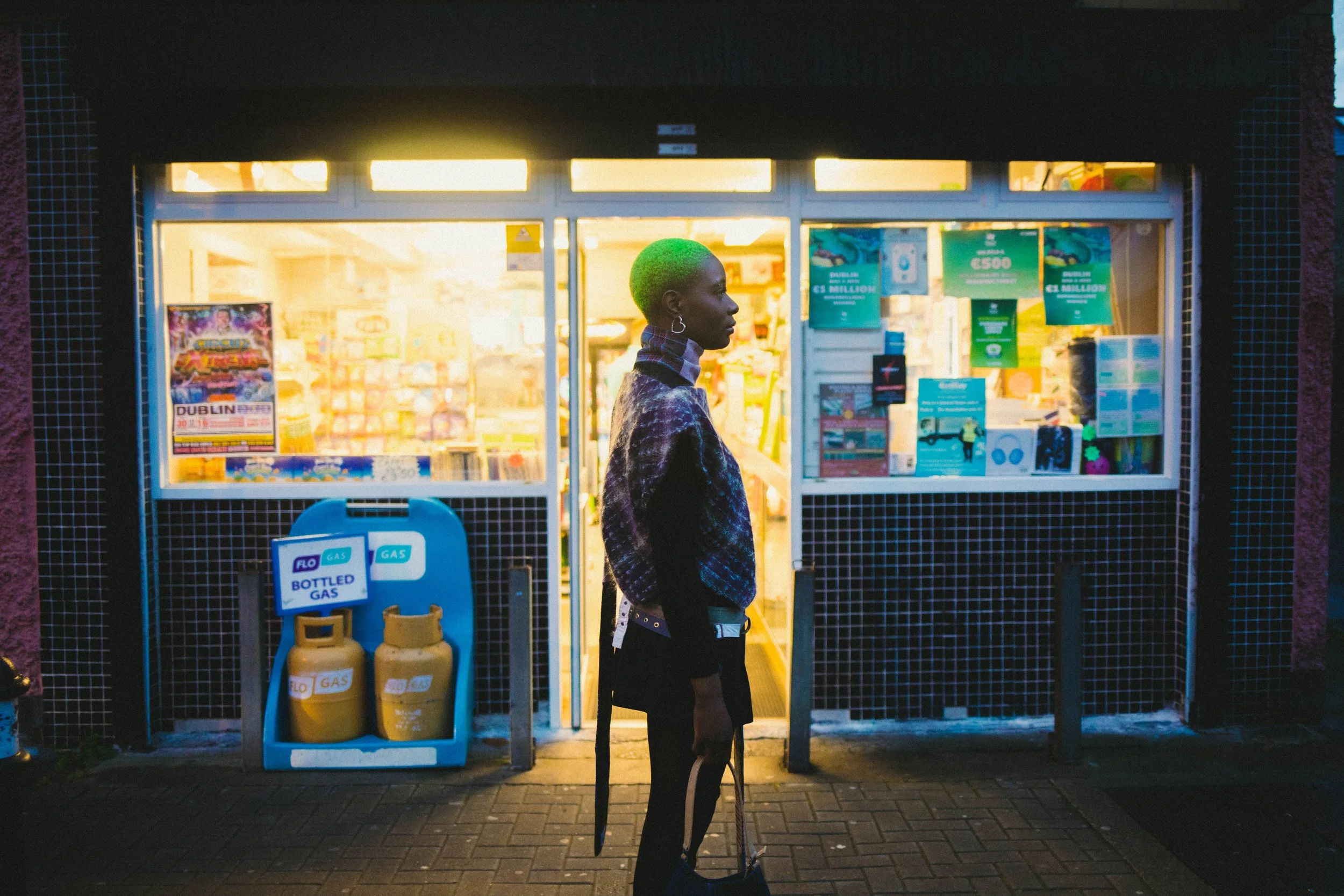
Tell our readers a bit about yourself. How would you describe your personality?
I would describe myself as a creator and engineer in equal measures. I was definitely a fairy child when I was young, I loved flowers, astrology and spending time in nature. I am a creative who loves making things with my hands like clay, crochet and weaving, but I have an analytical, engineering brain which serves me really well when pattern making and fitting my garments. I would describe myself as slightly introverted, but I do love a good rave and staying out all night dancing with close friends. I would describe my style as feminine with a twist, and I am drawn to anything that is slightly alternative or subversive.
When did you realise you wanted to begin a career in fashion design? Are there any other creative outlets that you have?
I only decided to go into Fashion Design at the end of my first year in NCAD. I thought about doing textiles or ceramics but eventually ended up in fashion because I really wanted to learn the skills of sewing and pattern cutting. I also had two family friends of my parents who had previously gone to NCAD, so they helped me decide.
In my final year of fashion design I rediscovered my interest in textiles and crafting by working with two different basket weavers in Tipperary. They taught me willow weaving and rush weaving, so that was definitely a creative outlet for me which was completely separate to designing clothes. These pieces ended up in my graduate collection in the form of sandals that I wove from rushes and a basket bra that I wove from willow.
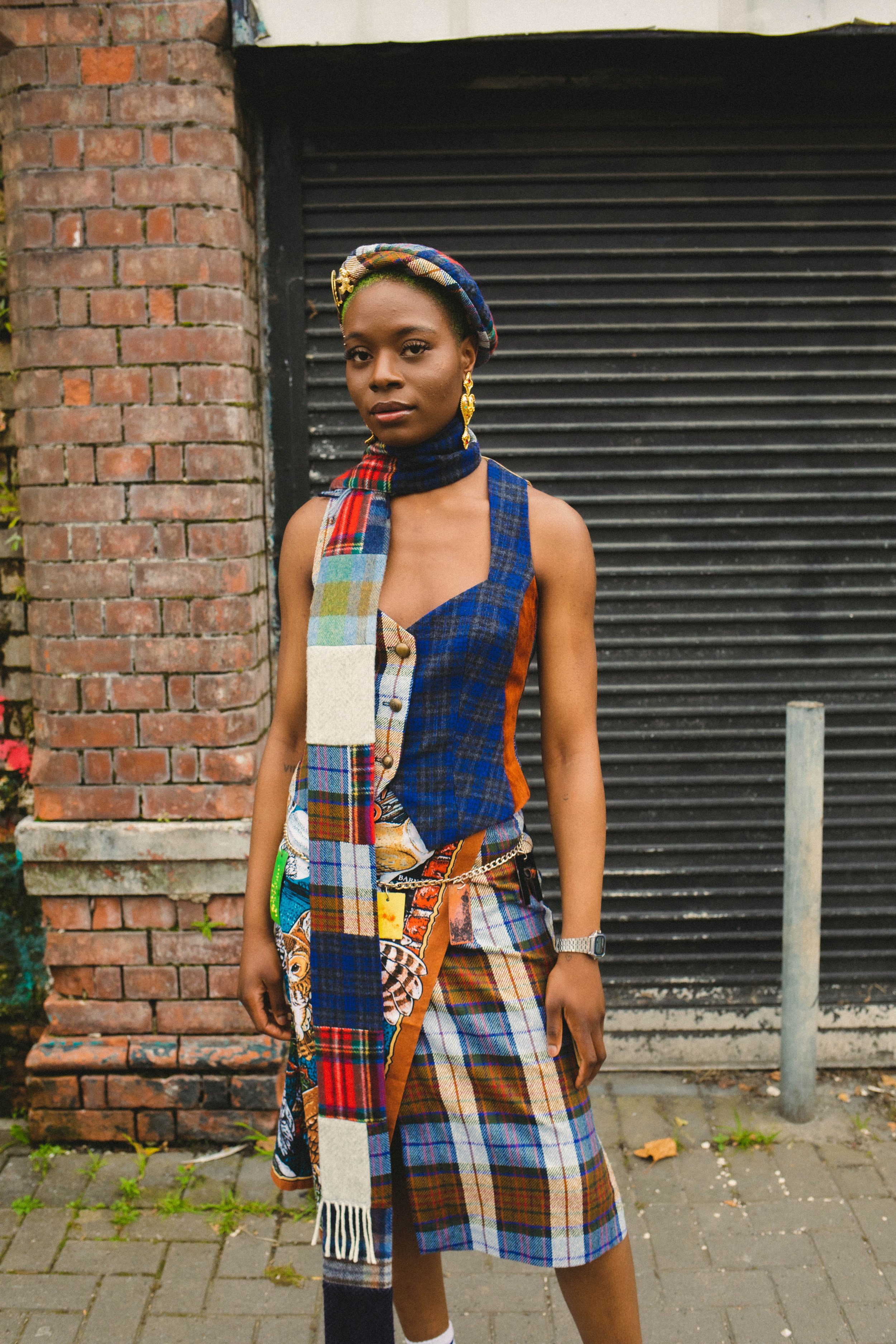
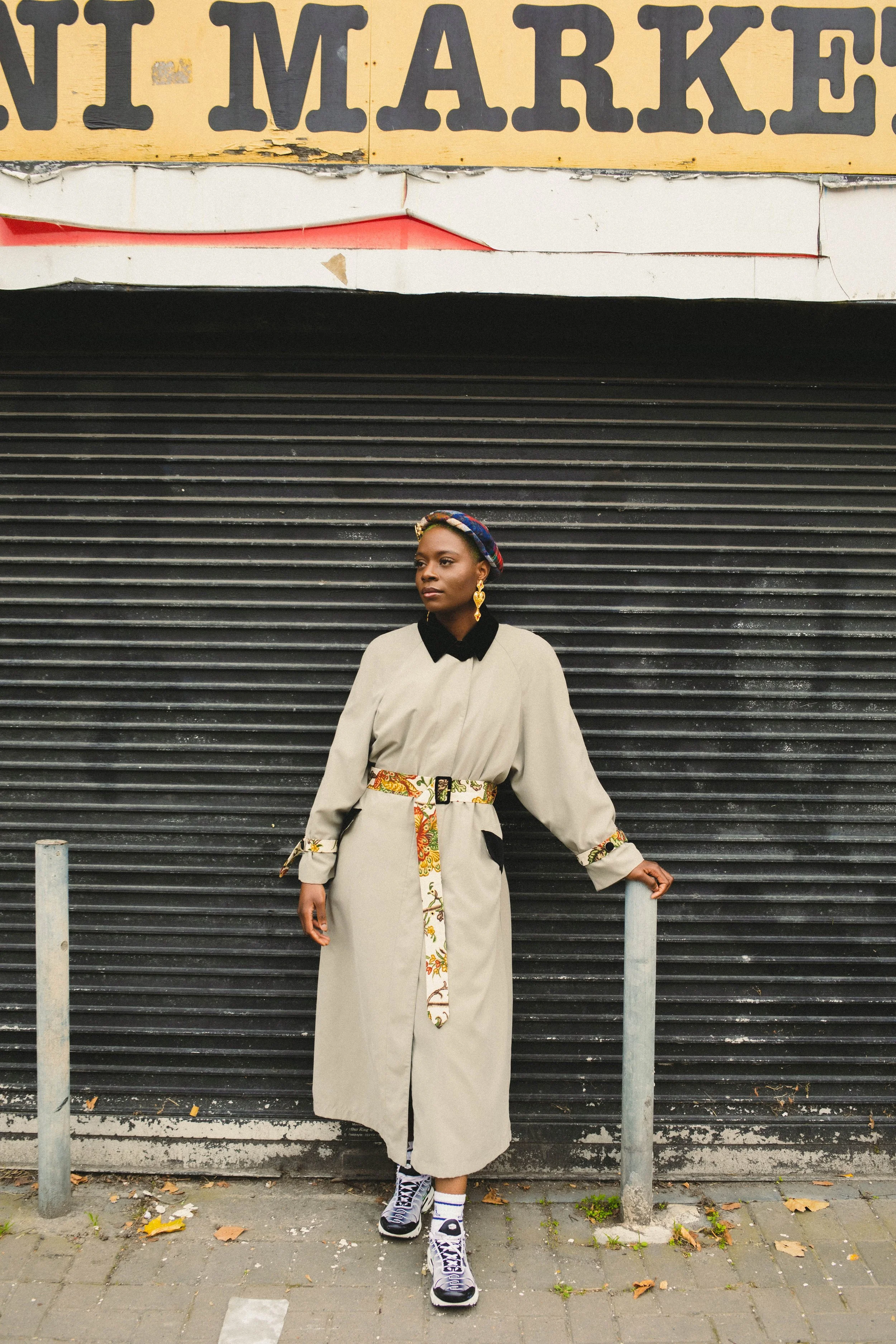
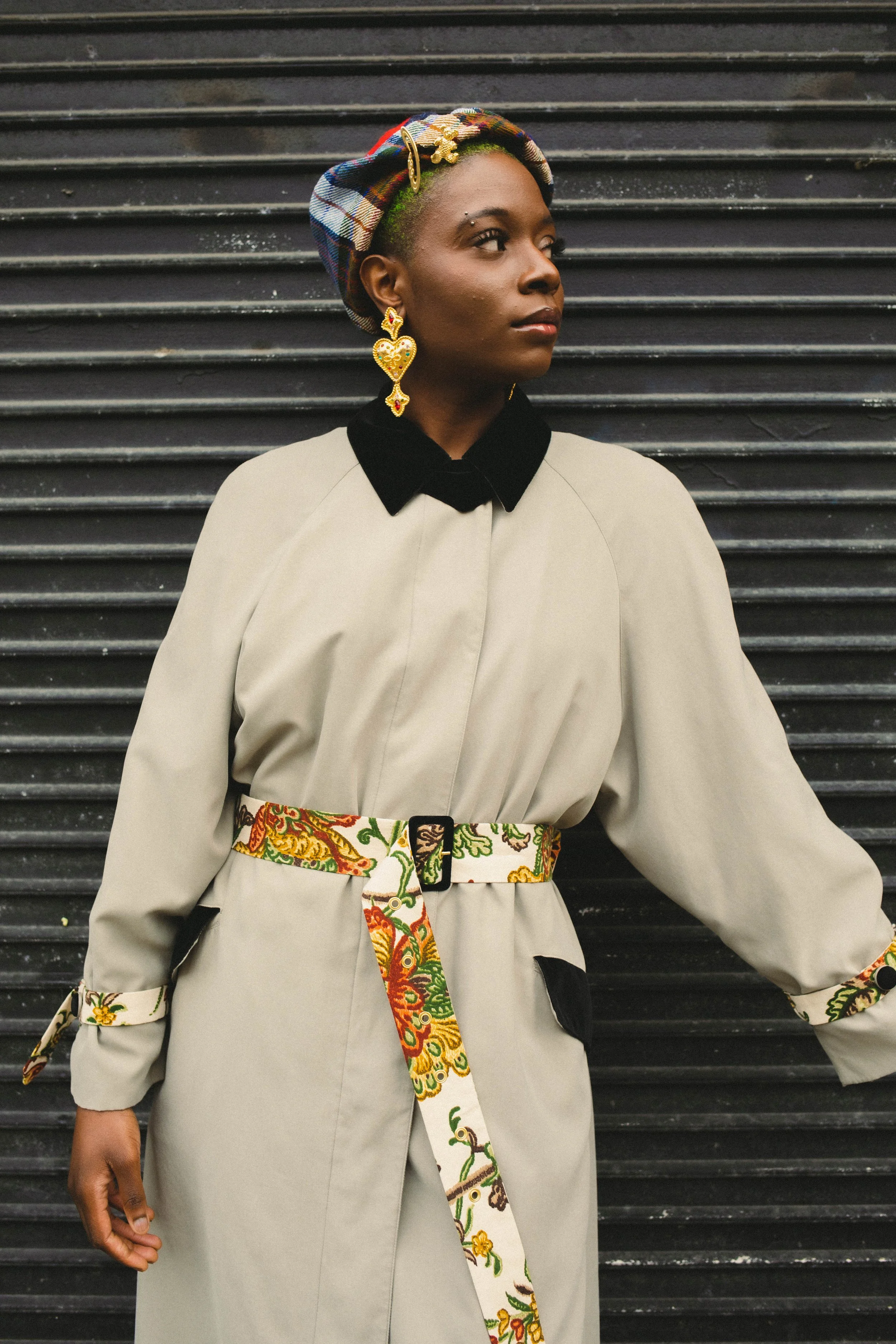
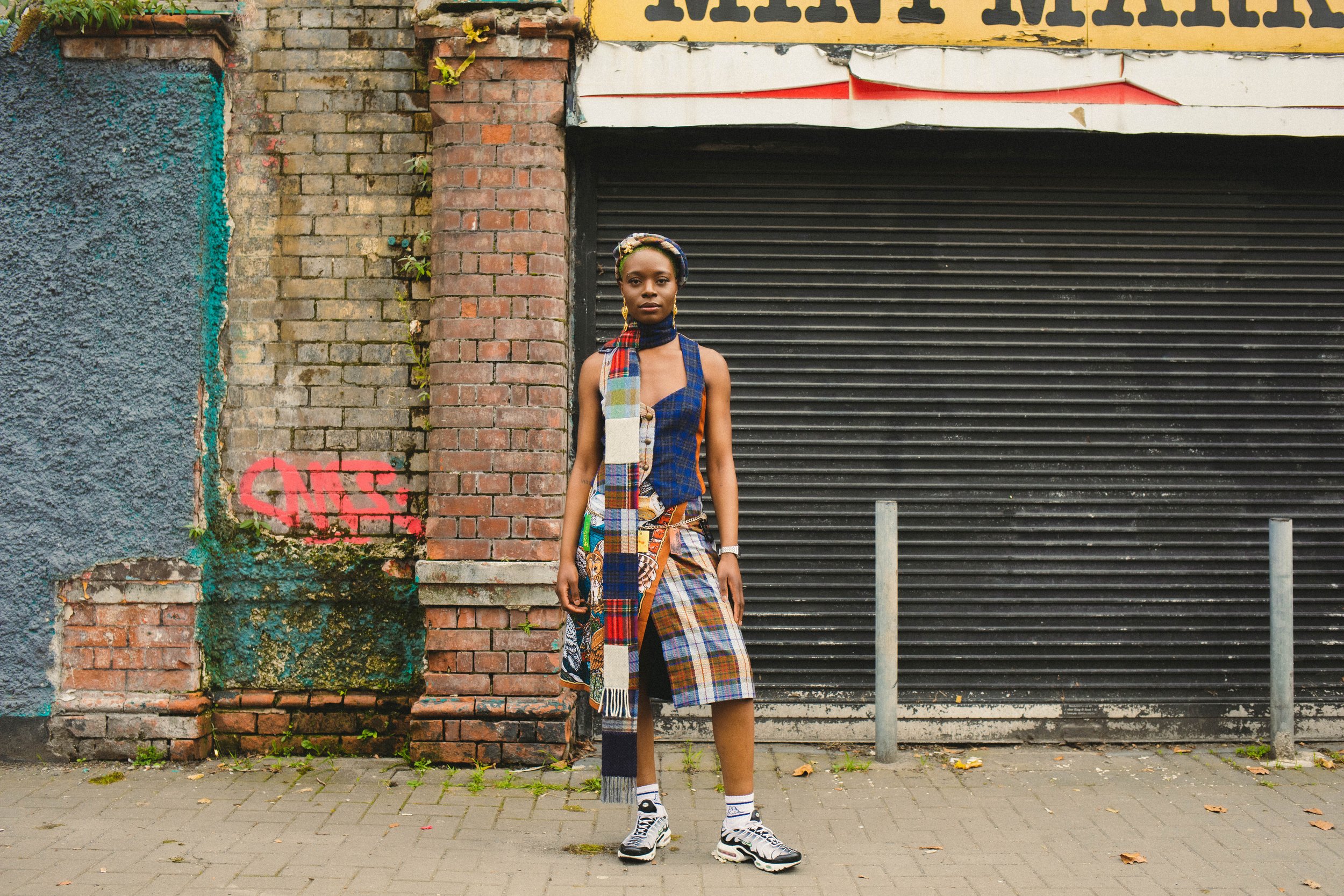
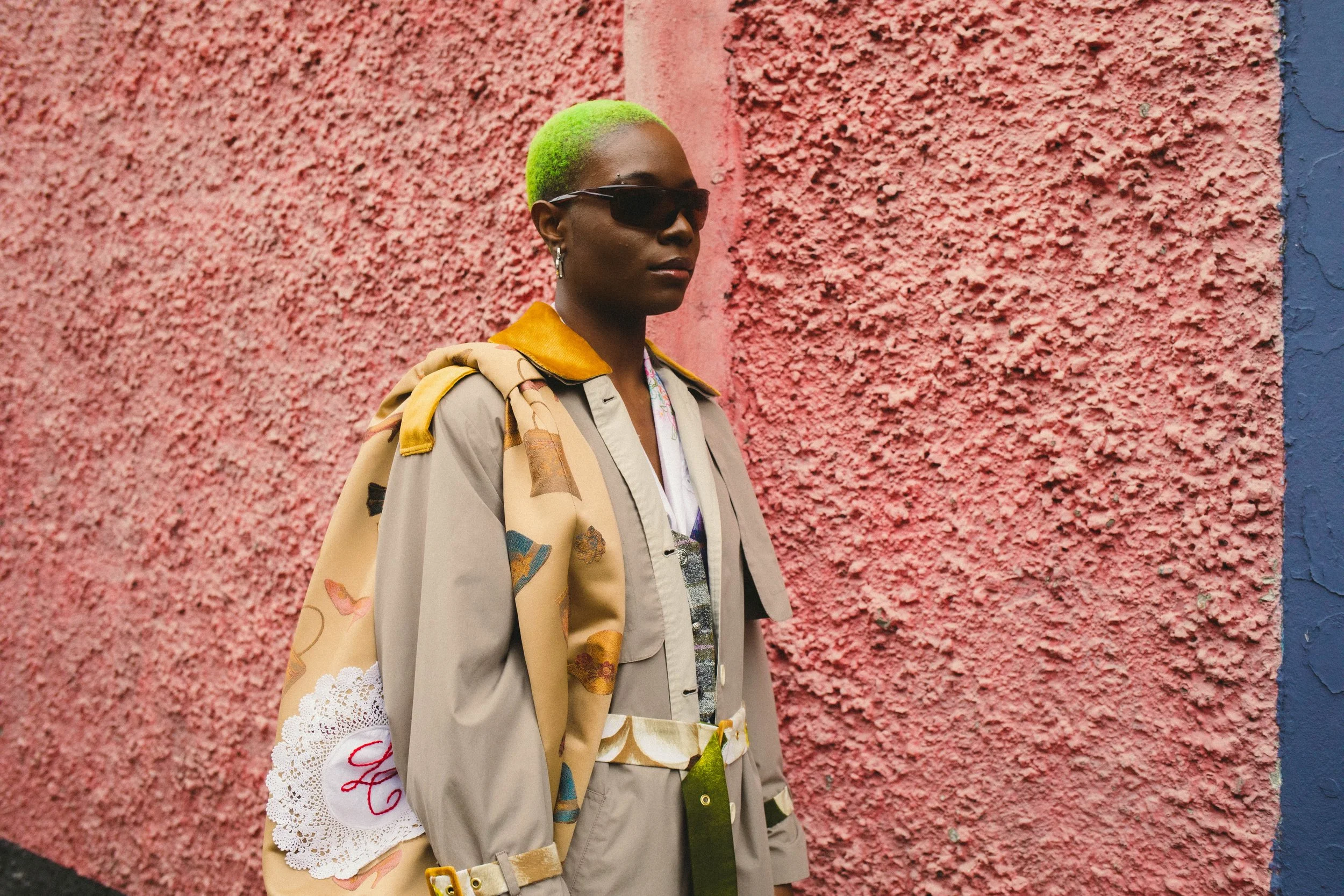
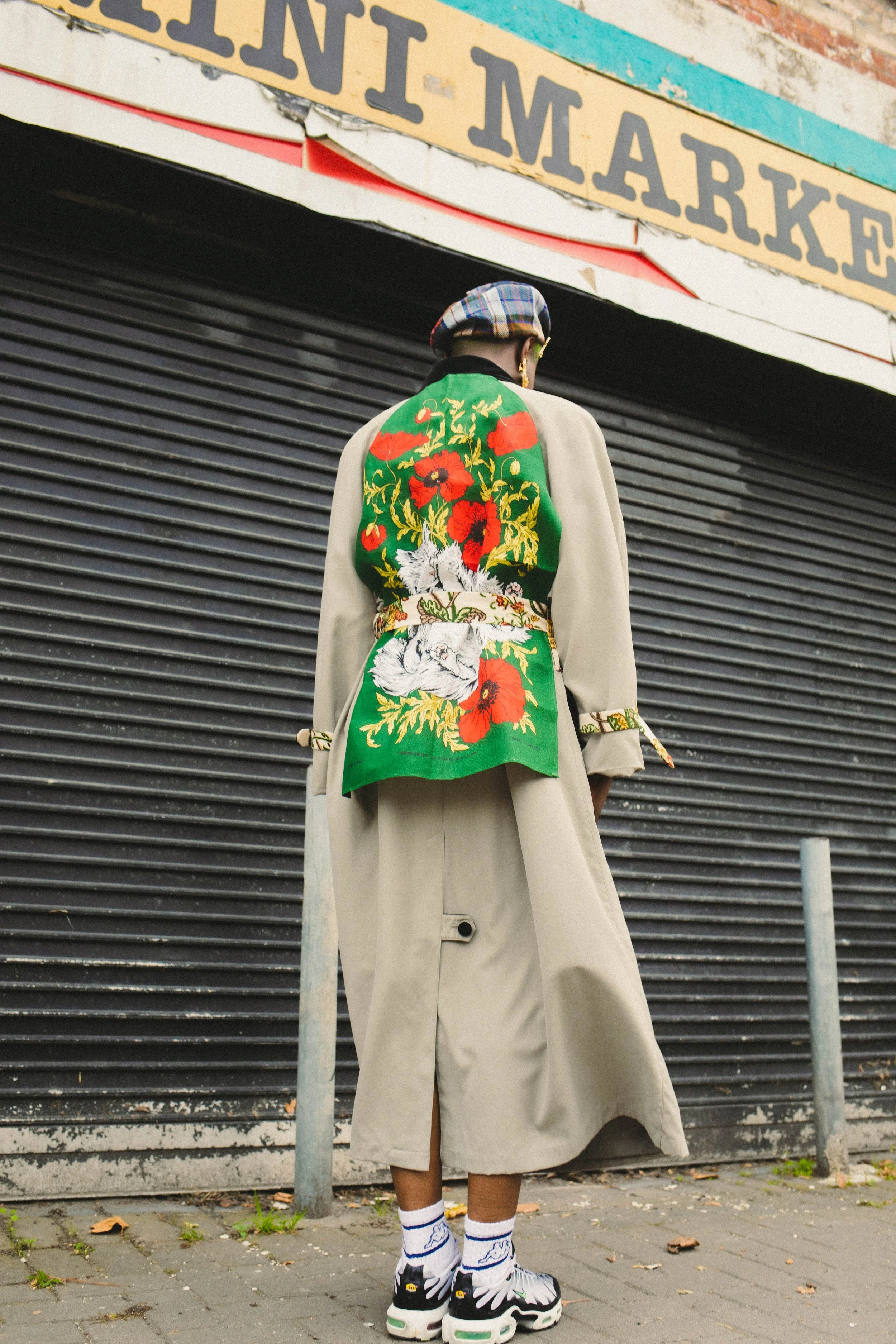
Your collections are hand made from waste textiles to help protect landfill. How does this influence how you design overall?
The fabrics that I use influence my collections massively as they are essentially the beginning of my design process. When it comes to vintage textiles, it is always a surprise what you might find, where and when. I collect fabrics constantly, so at the beginning of a season I put together what I have collected and allow the fabrics to dictate what the garments could be. My goal is to reconstitute any materials that would otherwise be discarded by making them more desirable to wear, and I love that I can help to educate people about vintage textiles and slow fashion in the process of saving these fabrics. I am really inspired by vintage fashion and designers of the past, but I want my pieces to feel contemporary despite the vintage influence.
What is your process for choosing fabrications for each collection? Where would your primary source for waste be?
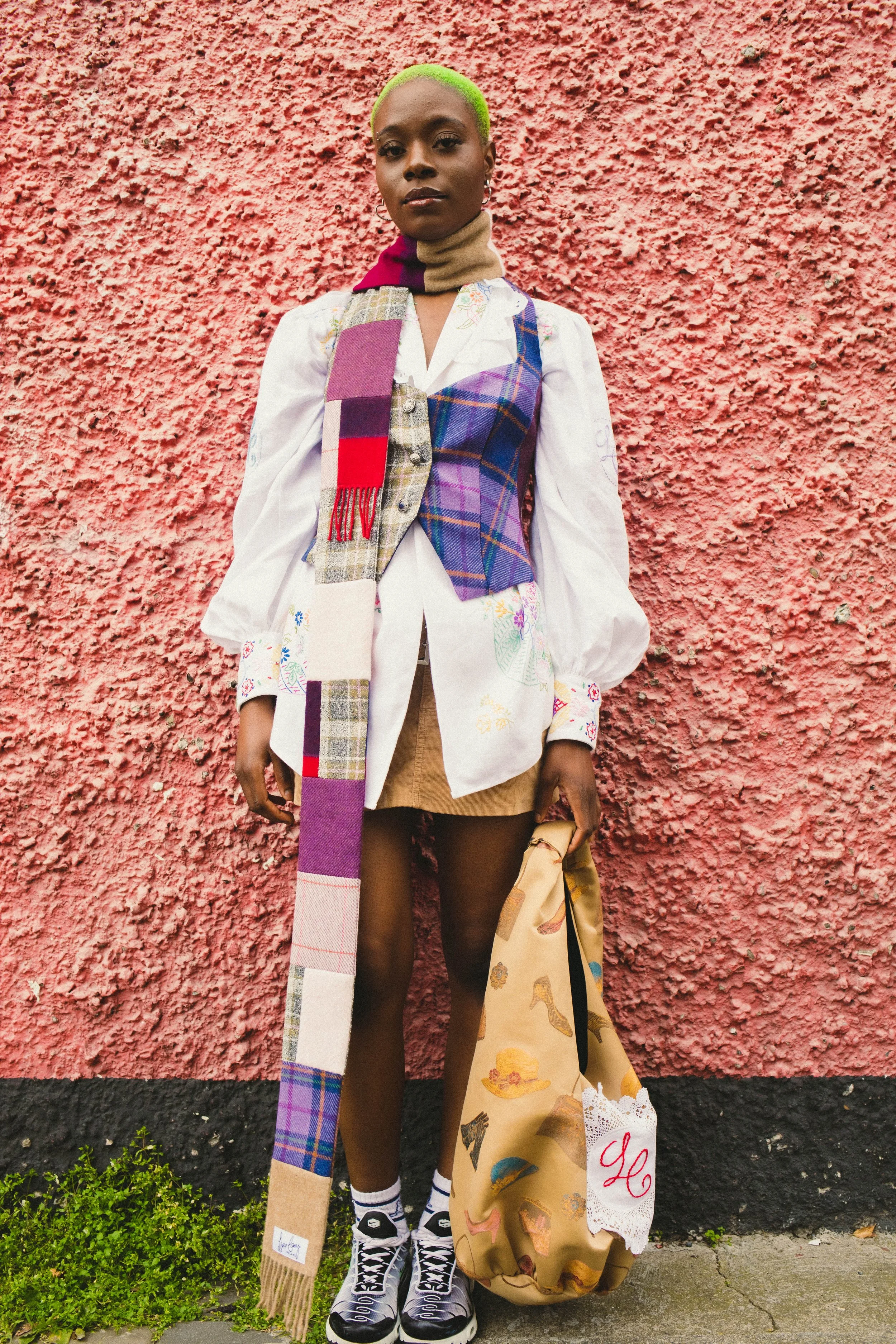
This season I got my hands on lots of incredible offcuts from a local family-run mill in Tipperary and these completely inspired my design process. The colourful wool and tartan prints led naturally to berets, scarves, waistcoats and skirts in my AW22 collection. The pieces had to be patchwork to accommodate the unusual shapes and sizes of the offcuts, as I don’t buy any large rolls of the same fabrics. I also collect vintage fabrics, tea towels, buttons and trims from vintage markets, car boot sales, charity shops, house clearances and online like eBay and Adverts.
Sometimes people reach out to offer me things like old curtains and tablecloths that they are clearing out! But I have also placed limits on myself and I would never cut up genuine antique garments, laces or curtains that could still be possibly used or at least preserved for future generations to appreciate. Some pieces are best left as they are to be admired.
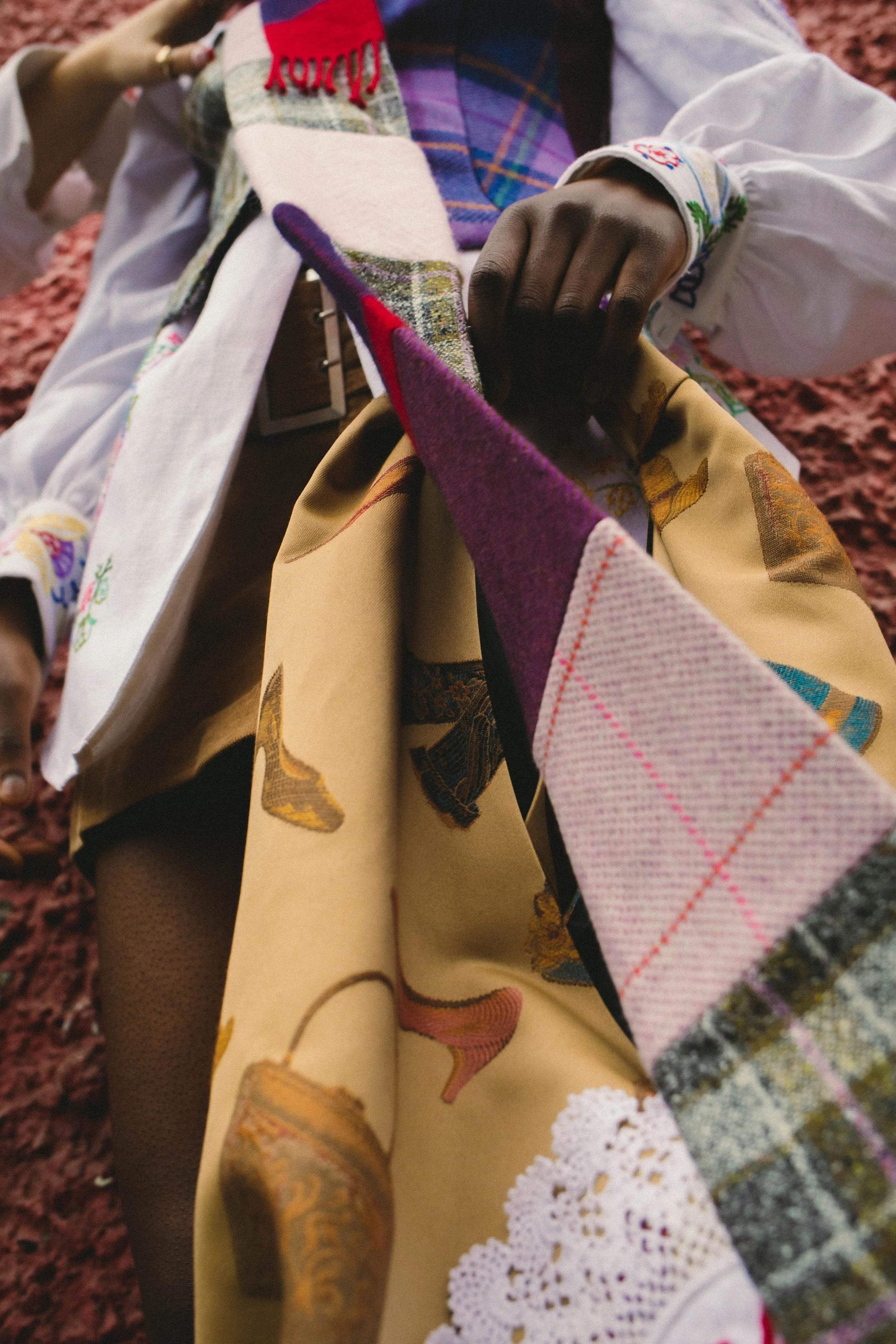

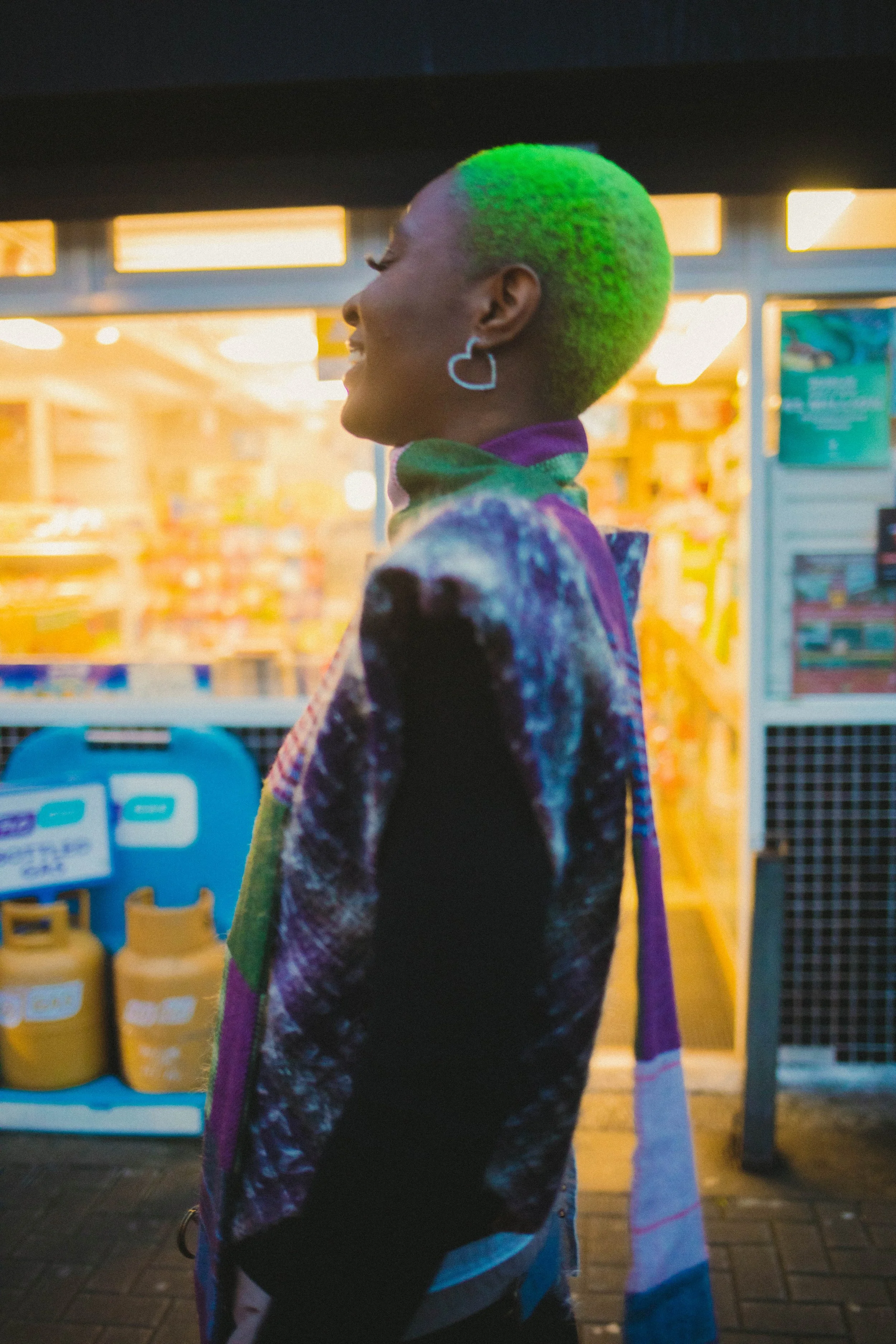
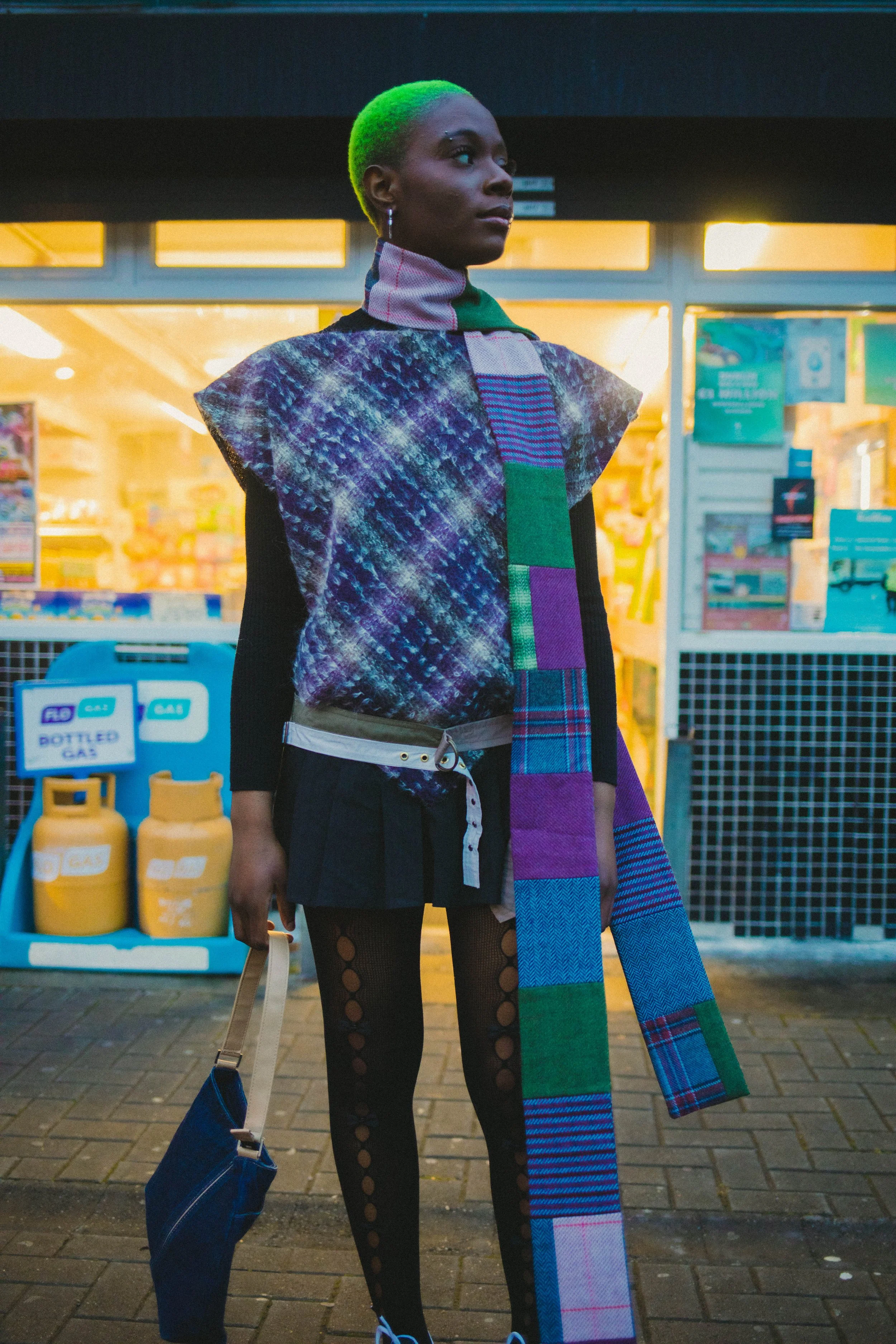
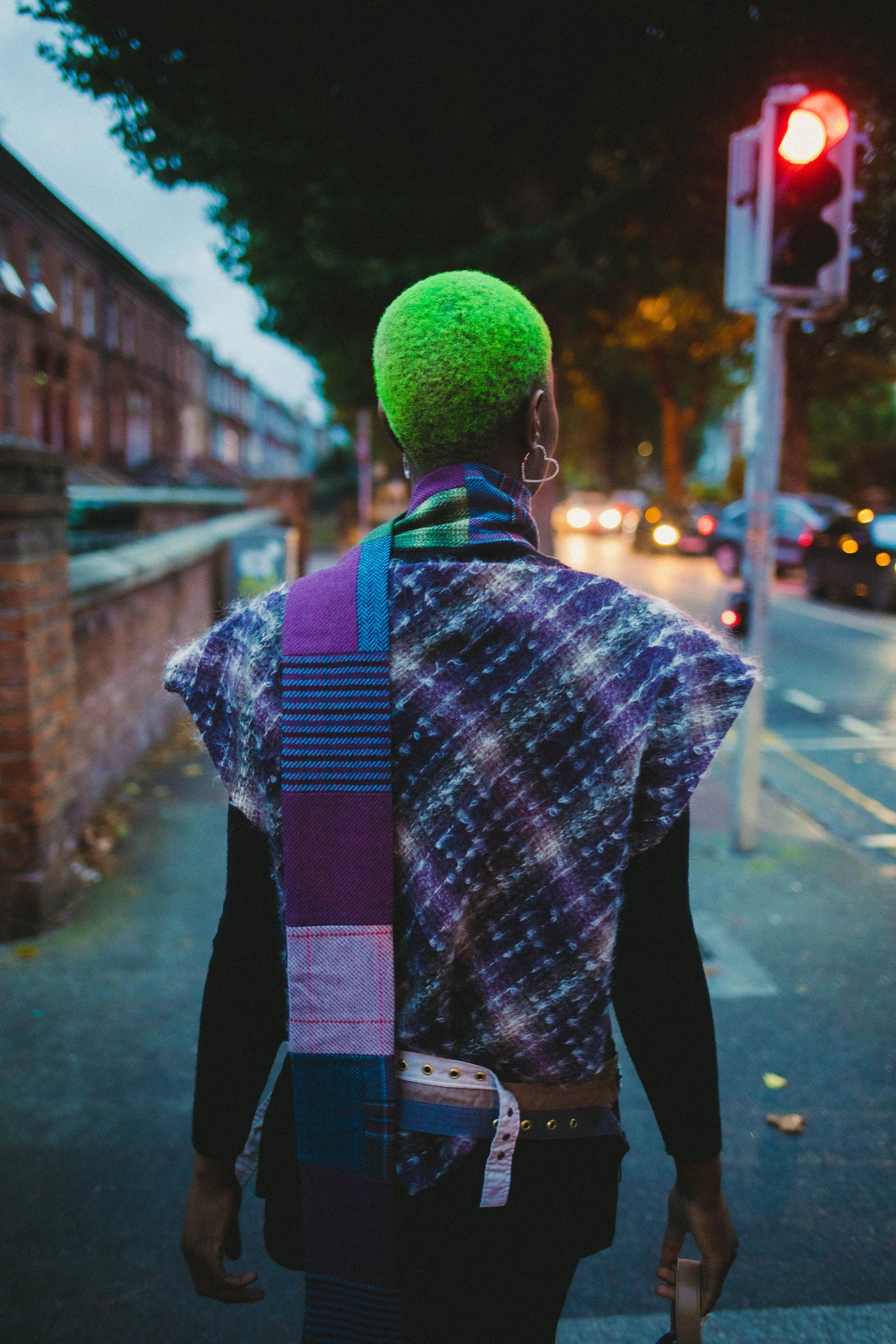
You were born and raised in Nenagh, Co. Tipperary, South of Ireland. How does your hometown influence your work?
Rural Ireland has such a rich history of textiles and craft making, from the basket weavers to the woollen mills, and this has always been a source of inspiration to me since I love to work with my hands making things. I used to hate that I wasn’t from a city, but now I can see how it has benefitted my creativity and makes me stand out in a different way, because I was never really exposed as a teenager to the changing fashion trends and competitiveness that comes with city living. I was the only ‘artsy’ person interested in fashion in my friends group in school so I always felt a little different and figured out my interests by myself in my own time, rather than being influenced by anything going on around me.
When did you make the decision to move to Dublin to study? Were you home during the time of covid?
I have family and friends in Dublin so I knew it like the back of my hand before I ever lived there and it was the only place that I wanted to study after school. When I first moved there for college at age 19, I was convinced I would never return to the countryside! I lived in Dublin for four years and then London for two years right before the pandemic hit and I absolutely loved the buzz and fast pace of life in both cities.
It was definitely an adjustment to return to Tipperary but I have grown to appreciate the peacefulness and beauty of the Irish countryside so much more since I’ve been home, and now I’m enjoying living and working back here. The best part has definitely been spending time with my family, my dog and cats at home during the lockdowns.
Tell us about your latest collection for AW22? Where has the inspiration for these designs derived from?
My past few collections have been quite girly and feminine, working with vintage tablecloths, antique lace and lots of florals and pastels. For AW22 I wanted to show a bit more of my own personality and draw inspiration from my time living in London and Dublin when I felt so free to express myself through my clothes. I was really inspired by the tartan fabrics to embrace the punk era, I love to pair my feminine pieces with my platform Dr Martens and leather jackets, so I wanted this collection to have a more grungy feel, with clashing tartan prints and a sexier look rather than babydoll-vintage-sweetness. I was really inspired by the Y2K trend as well as 90’s fashion and the double denim that is trending at the moment, except I did double (and triple) tartan instead.

What's your opinion on the current state of the Irish fashion industry? Do you think there's enough financial and guided support for designers and other creatives to be able to kick start their businesses?
I have so much hope and excitement about the Irish fashion industry right now but I realise that our generation will have to build the support systems ourselves because the Irish industry is not currently up to international standards. There are some amazing designers, photographers, stylists and publications, like this one, popping up, and since Covid the general public are becoming more interested in shopping local and supporting Irish design. I think the industry is what you make of it – it’s all about being proactive and starting something where you see a gap in the industry. I have done ‘Start Your Own Business’ courses, gotten bursaries, applied for grants and run sewing workshops through the Design and Crafts Council, the Institute of Designers in Ireland, the Local Enterprise Office, Creative Ireland and my local Arts Centre.
They are all supportive in different ways, but you have to put yourself out there and contact them first. Last year I wanted to do something for August Craft Month because I see fashion design as a craft, so I applied for funding from Tipp County Council and managed to pay myself plus eleven other creatives to work on a photoshoot and digital exhibition called Borradh Nua (New Swell in Irish) (@borradhnua on Instagram) celebrating Irish and international clothing and crafts during Craft Month. These types of projects are fun but also bring attention to creatives who deserve to be recognized and paid for their work.
You've been successful in taking home several awards and worked with the likes of Brown Thomas and Simone Rocha. We're excited to know what the future holds for Laoise Carey?
I would absolutely love to take my business over to London or Paris in the future, but first I really want to build up my platform at home in Ireland. I am hoping to start working with freelance sewing machinists soon to help me expand my business and I would love to hold an in-person event in 2023 so that people who follow me online can see my pieces in real life, maybe in the form of a pop-up shop, presentation or fashion show.
Follow @LaoiseCareyStudio on Instagram
Photographer: Arman Jose Galang
Model: Mariam Alade
Stylist: Maebh Carey
Follow us on Instagram


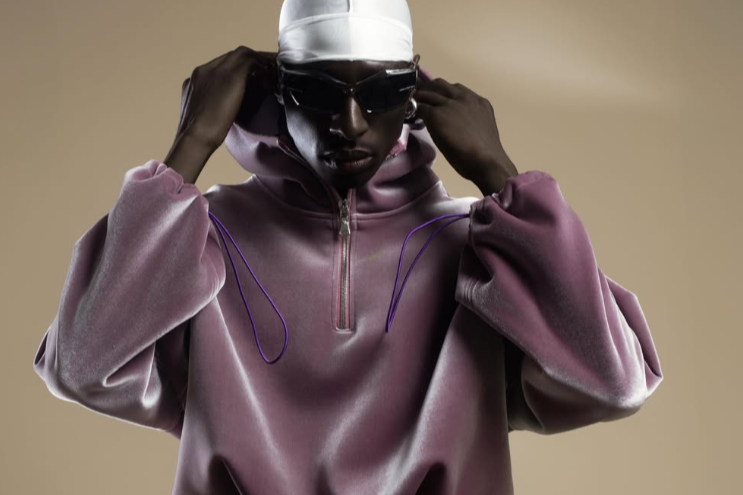

Inspired by the timeless charm of "Pierrot Le Fou" by Jean-Luc Godard, Andreas Moskin’s Resort 24’ collection blends cinematic magic with the elegance of modern fashion.