
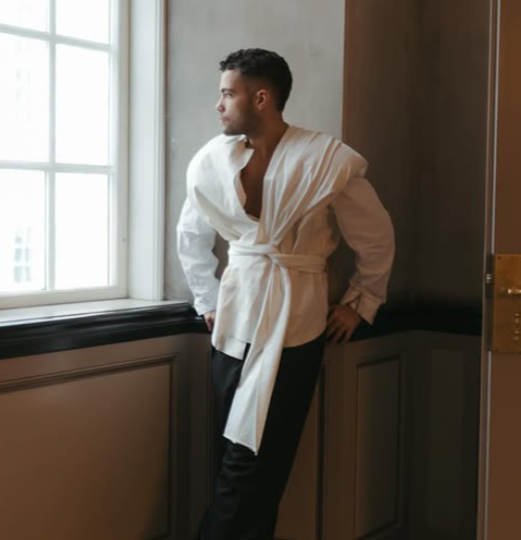
BEYOND CREATIVE: CONOR O’BRIEN
A 2023 NCAD graduate, O'Brien first turned heads with a graduate collection that tackled body dysmorphia head-on — not with slogans, but with shape, using alternative Aran knitwear to build clothes that prioritise individuality.
You're a designer, a sewing tutor, and a professional harpist. How do these different creative disciplines—fashion, teaching, and music— influence one another in your work?
Taking part in various different disciplines at the same time, for me, is vital to my practice. The most important way to inherit inspiration for fashion design is to look at everything in the world except for fashion, and to engage with it in any way you can. By tutoring sewing lessons, I learn new ways to do the techniques that I’ve mastered myself, and you really start to understand the logic and engineering behind garment construction. As well as that, I think that engaging with as many different people from as many different walks of life is extremely beneficial to approaching the world through a design lens; fashion design can get lonely and there’s always a danger that you become solipsistic in your work. Teaching sewing and working with others acts as a safeguard against being too isolated with my work. While playing the harp remains my personal hobby, the energy that music provides me with is vital in my approach to fashion design. Music has a way of influencing the thoughts that go into my work, and what decisions are made. Whether you’re in a happy mood, or a melancholy mood, music when making is paramount to my process.
Your brand is built on a "slow-fashion, cottage industry mentality." What does that mean to you, and why is it important to revive this approach in today's fashion landscape?
Working on a cottage industry mentality in the contemporary design world means to be radical and go against the grain, when it in fact is essentially working in the same way that people have worked for hundreds of years. By having a small group of people creating with you, a space for self, dignity and opinion is revealed for the maker, which is vital in an ethical operation. Quality control improves as everything is made more thoughtfully and with care. While I creatively direct, I don’t hold the means of production - I would be nothing without the people behind the production. “Slow fashion” is often critiqued as a term implying inefficiency - this is a capitalist-brainwashed perspective as far as I’m concerned. Clothing should not be quick and easy to produce; that is, clothing that lasts anyway.
Your graduate collection, 'Cara Coirp, Friend of the Body,' tackled the concept of body dysmorphia. Can you talk about the personal or creative journey behind creating a collection with such a powerful and intimate message?
- Exploring personal themes in something as public as fashion design can be scary. However, I’ve observed that it is a great means to explore one’s own trauma, in a productive and creative way. I enjoy taking action as a way to heal, and the slow,
methodical process of design and crafting helps me to do that. Body dysmorphia is
something that has been with me my whole life, and by pushing boundaries in dress
whether it’s covering up and exposing certain areas of the body in unorthodox ways, or
applying unconventional materials against the skin, it helps me both challenge my own
anxieties around body image as well as acts as a critique for standards in contemporary
dress. This is why Rei Kawakubo remains one of my favourite designers, as she still
remains as one of the only few to have done just that so successfully and without fail
every time. Any goal to “flatter” the body implies that to do the opposite would be to
“unflatter” the body, and therefore be somehow bad.
You place a strong emphasis on using strictly natural and native Irish fibers, like the wool from Galway sheep. What is
the importance of material selection in your design process, and how does it connect to your brand's identity?
- For me, natural materials are the only way to go. Natural fibres have a way of refusing to
comply to others’ standards, as they stand alone as living organisms in a way. I like that
feeling that they are almost like other living beings that humans decide to place on the
body. You don’t wear a natural fibre, you work with it, in collaboration. Natural fibres have
inherent qualities that science and technology continue to desperately attempt to
replicate (with reasonable exceptions in certain new innovations in textiles). The use of
natural materials keeps me closely connected to nature and the earth, and makes me
more aware and conscious of what I’m cutting, sewing or hand-knitting, which is at the
core of my practice and commercial brand - quiet consideration, care and attention.
Your work has been described as a "punk reimagining of Irish cottage industries." What does being "punk" in the
context of fashion and craft mean to you?
- Being punk in fashion and craft is far more than merely the aesthetic movement of the
1980’s. Punk, for me, in fashion design, is refusing to be pushed by the external forces
of the industry, demanding businesspeople and the tyranny of college fashion tutors. It
means to truly go against the grain, have determination and unwavering confidence in
one’s work and understanding that just because your work mightn’t have success in the
capitalist marketplace, that it is still worth something and of value due to the care and
attention that one has put into it. By carrying out my practice in a truly grassroots way,
from my surrounding locality and community, I’m already “punk”, as the first thing fashion
design students and established brands are taught to do upon graduation is to mentally
prepare to become well behaved moulds of the swollen money-hungry industry.
Your inspirations range from Christian Dior and the 1890s to Rei Kawakubo and Japanese kimonos. How do you
weave these diverse historical and cultural references together to create your unique aesthetic?
- Amongst my varying inspirations, whether it be Christian Dior or the 1890’s, I’ve noticed
what truly underlies that is an appreciation for grandeur, drama and beauty. I love to take
humble, earthy natural materials and aim to elevate them to a level of sophistication that
they mightn’t need, but that they glow in. A lot of recent philosophy has dictated an idea
of deconstruction, with no outcome, only nihilism, whereas while deconstruction is
certainly part of my approach, it always serves as a means to an end that stands above
and away from me, transcendentally and ghostly, almost like an art-objet that waits to be
worn. My inspirations have given me a good gut feeling, that I always aim to provide in
the person who inevitably puts on the item later on.
Your 'Phantom Thread' collection has been noted for its gender-fluid designs. What is your approach to creating
garments that challenge traditional notions of menswear and womenswear?
- I truly believe the idea of gendered clothing to be the biggest atrocity for fashion since
time immemorial. The idea that a culture or society should place such
socially-constructed, naive chokeholds onto something so pure and natural as a fibre
and fabric, is astounding and hopelessly outdated. I’m constantly asked whether my
collections are “menswear” or “womenswear” and I refuse to answer. One of my constant
starting points is the shape of a kimono - the kimono remains as a truly genderless item
of clothing and while traditionally worn in subtly different ways by men and women, the
premise remains, of prioritisation of fabric over form, form over function, and function
over gender. I always have the idea in my head of fabric being cut flat, and the body
being surrounded by it, versus applying sliced proportions onto the body with
mathematically equated and manipulated pattern pieces to fit the form. Lack of
manipulation of fabric feels more luxurious to me, as materials are allowed to drape and
breathe easier.
You aim to create "future vintage pieces" that can live a circular life. What do you see as the biggest challenges and
opportunities for sustainable fashion in Ireland right now?
- The biggest challenge facing sustainable fashion in Ireland right now is that the vast
majority of the consumer market still considers it niche, as opposed to the status quo.
While not perfect, my grandparent’s generation would purchase a couple of “good” items
throughout a given year, and if they should grow faulty in any way, they were only given
more care and were repaired, readjusted and altered for further life. That attitude has
totally and utterly flipped, which is a disaster. I also think there is too much
encouragement on Irish designers to create highly conceptual fashion, as opposed to
wearable, functional garments. Current fashion education trains designers to become a
jack of all trades, instead of a master of one. If fashion students could graduate with a
specialisation in certain niches of apparel, such as a “jeans designer”, a “shirtmaker”, a
“tailor”, a “basics” designer, the market would flood quicker with better clothing, better
options and perhaps even better prices.
Your work often carries a deep narrative, from exploring Irish heritage to challenging conventional silhouettes. How
important is storytelling in your creative process and how do you explore new shapes?
- Storytelling is vital to my creative process. Whether it’s something more literal and
physical, i.e. the story of the fibre I’m using, or more abstract, such as in my 2025
collection Phantom Thread, in which there’s a more philosophical and artistic approach
to fashion design, storytelling is woven into fashion at every point. If fashion is a
response, then the environments it develops in are the call. When I was creating
Phantom Thread, I had never experienced such an intimate process of making before;
allowing the thoughts, feelings and emotions that motivated me to create the collection
to externalise on the cut, drape and stitch - I really enjoyed it, however taxing it can be
as well.
Now that your designs are being stocked in stores like The Slow Concept and you've shown at Dublin Independent
Fashion Week, what's your vision for the future of the Conor O'Brien Studio?
- My inevitable vision for the future of my studio practice and brand is to perpetuate Irish
fashion, and not just my own offerings, and it goes far beyond making Irish linen pants
and Aran sweaters (which of course I will continue to do!). Currently, we are at a crux in
Ireland with our relationship to fashion: we have two exciting growing fashion weeks
(Dublin Independent Fashion Week and Ireland Fashion Week), a series of boards such
as the Council of Irish Fashion Designers (CIFD), the Institute of Designers Ireland (IDI)
and the Design & Crafts Council Ireland (DCCI), a series of renowned stylists,
photographers and PR people, yet still no stable fashion supply chain underneath it all. I
am still yet to see a buyer at a fashion show in Ireland, who is genuinely there to
consider the offerings on display for the next season’s collection in Irish retail, for Irish
“couture”, not just ready-to-wear. This is nobody’s fault as such, but must be grappled
with, as it is the reality that underlies everything. I reject current fashion industry
standards as it is, with its toxic demands and impacts on the environment, yet it mightn’t
hurt to borrow a few things from fashion in Europe to get things going here. I would love
to eventually open my own store, with an in house studio, in central Dublin, where I could
continue to see what can happen when our rich textile heritage is married with a
contemporary design language.
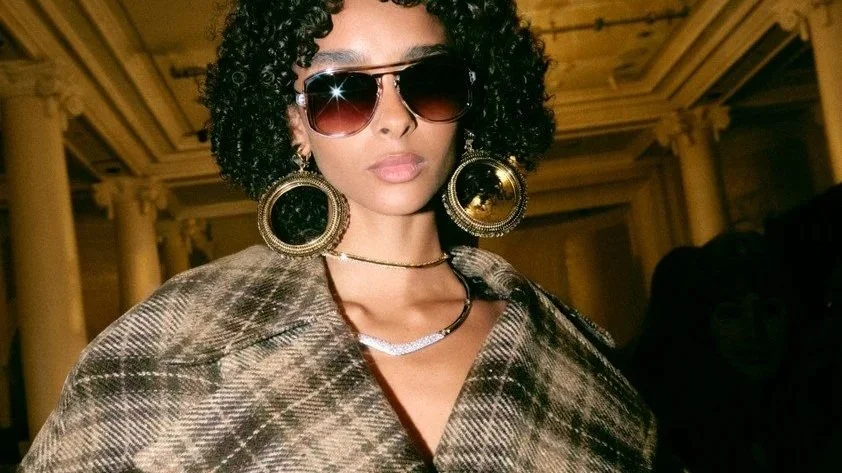
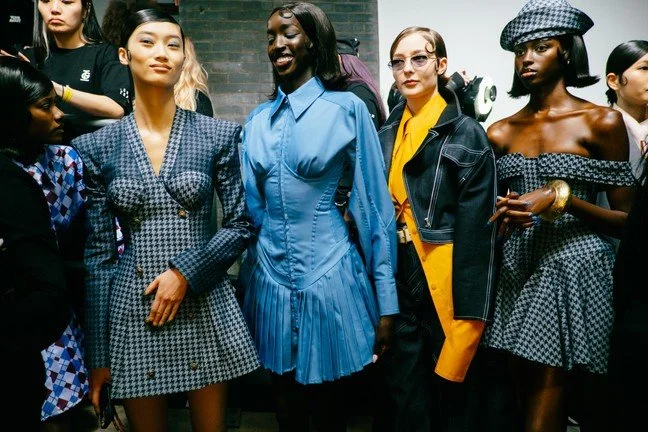
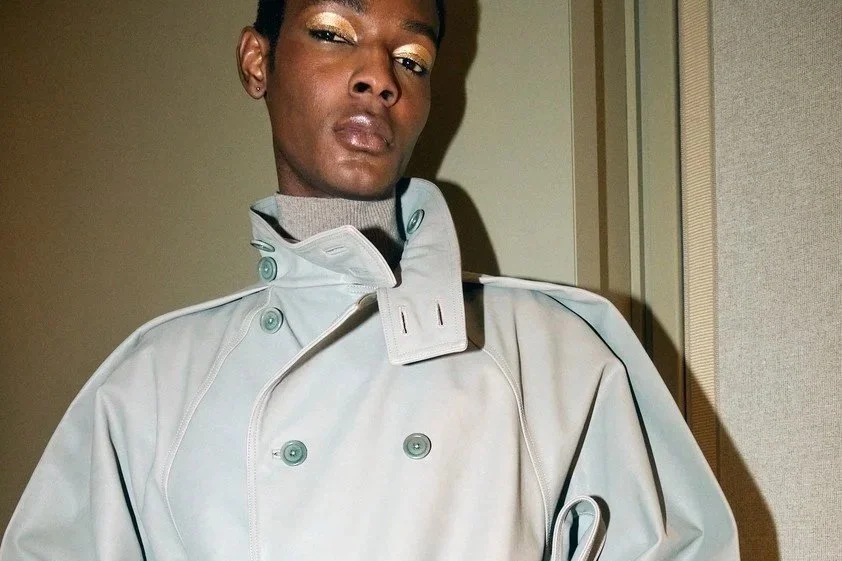

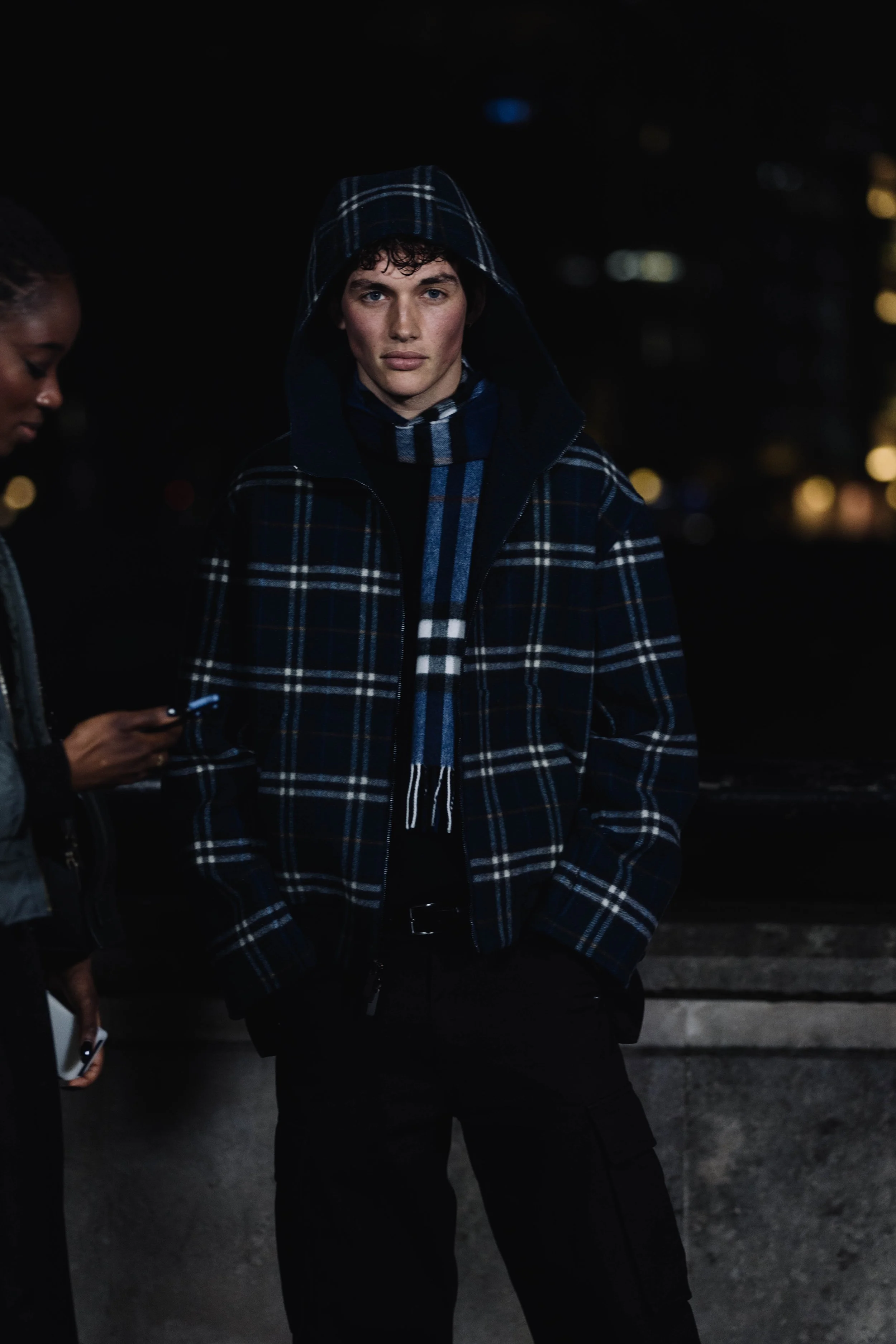
STREET STYLE
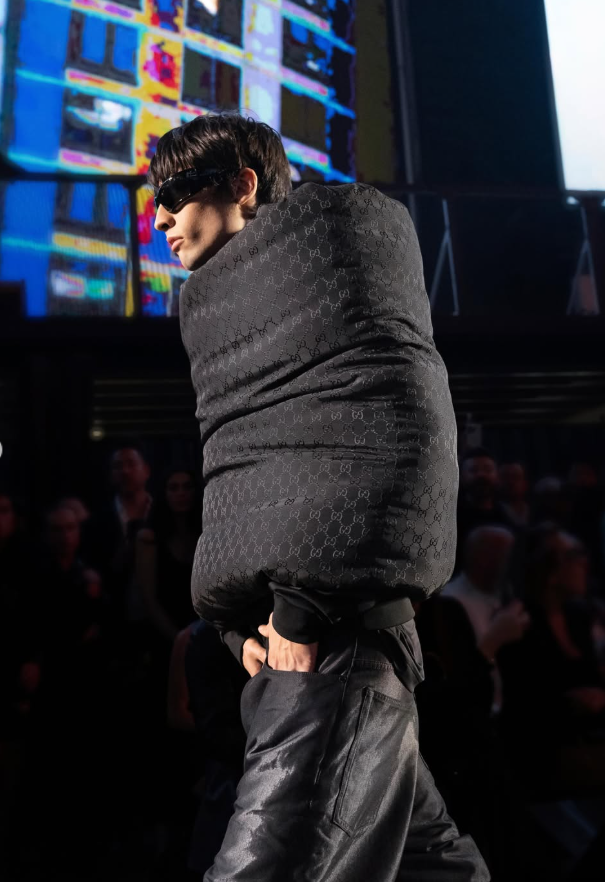
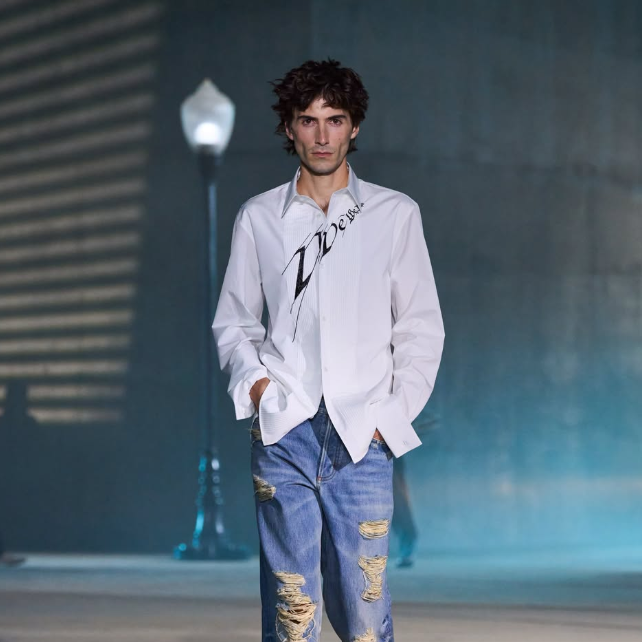

Inspired by the timeless charm of "Pierrot Le Fou" by Jean-Luc Godard, Andreas Moskin’s Resort 24’ collection blends cinematic magic with the elegance of modern fashion.