
THE FUTURE OF SHADE: FIVE EYEWEAR BRANDS YOU NEED TO KNOW
For a century, sunglasses did one job: block the sun. They were a utility you lost on the beach, a prop for movie stars, a logo slapped on a gas station rack. That era is over.
In 2026, eyewear has become the most loaded object you wear. It's smaller than a jacket, cheaper than a watch, but it does more cultural work than both combined. A frame can signal subculture in a single glance, it can re-engineer your face like architecture, and now — with 3D printing, bio-acetates, and hinge systems cut from surgical steel — it can literally perform better than anything that came before.
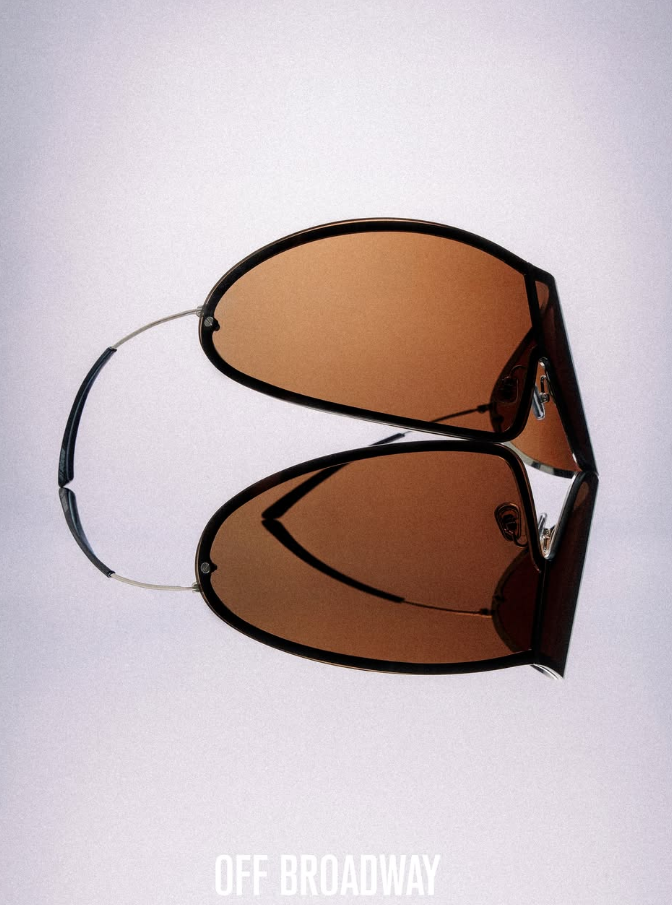
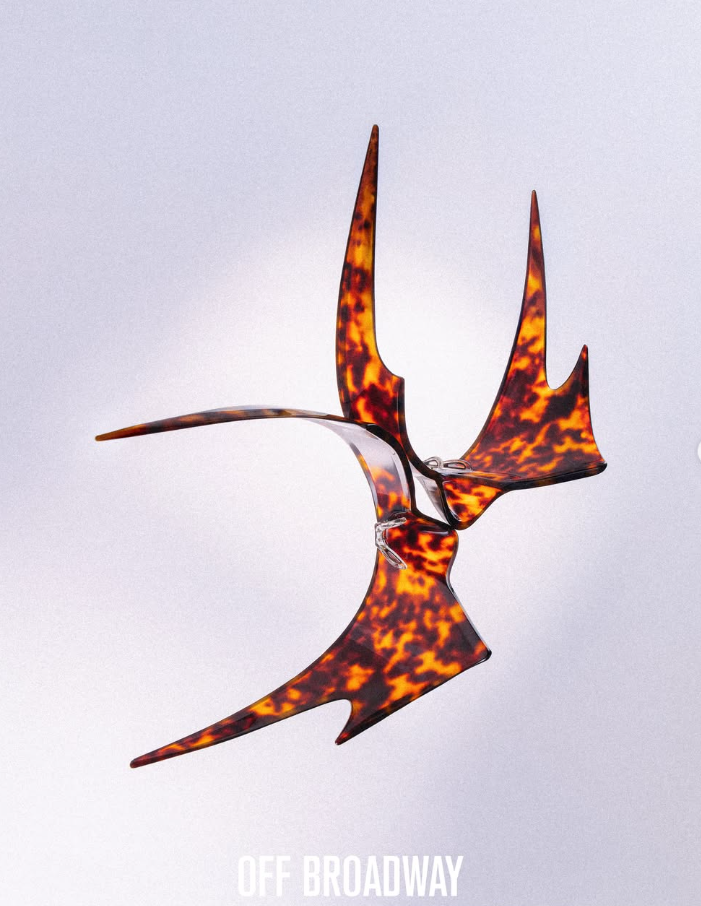
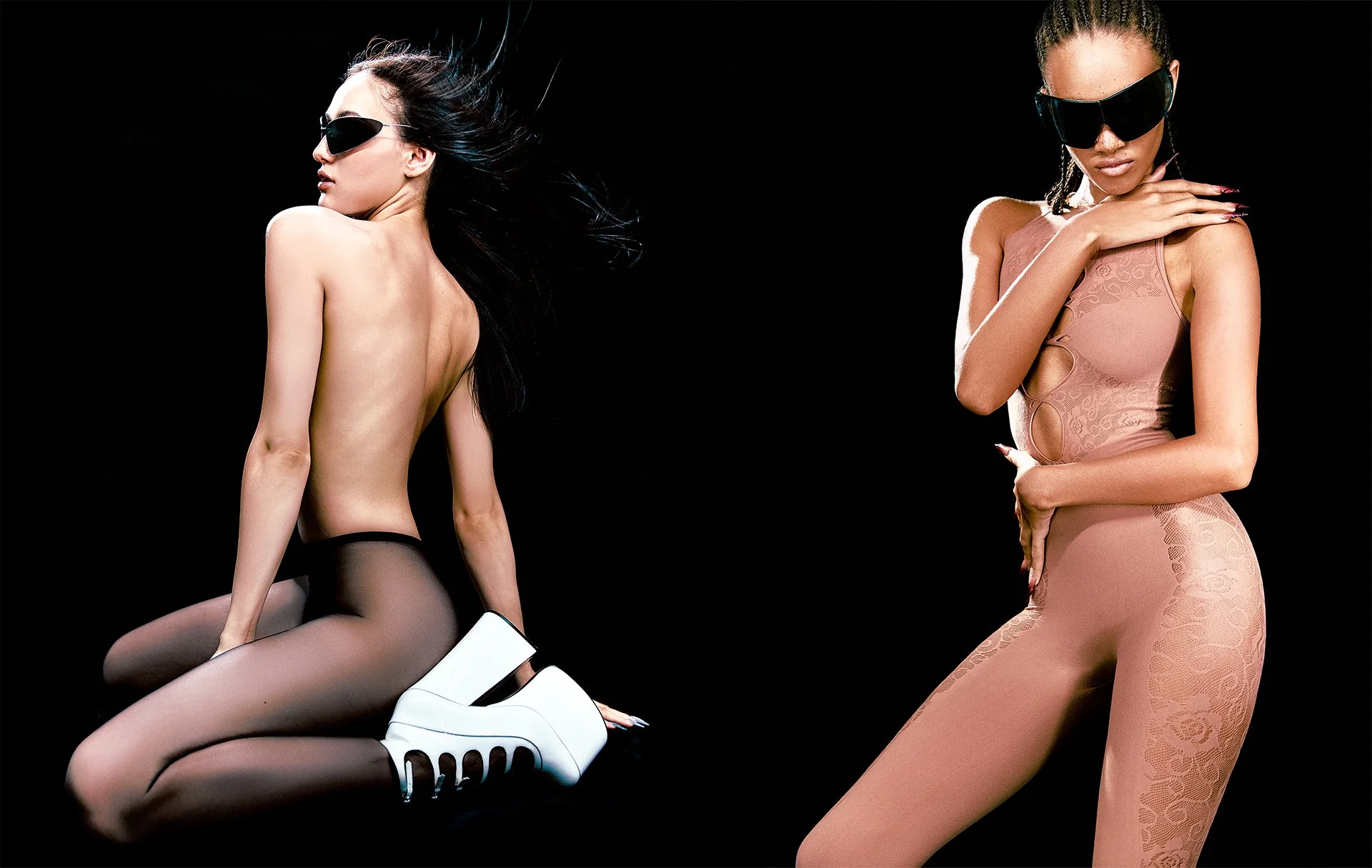
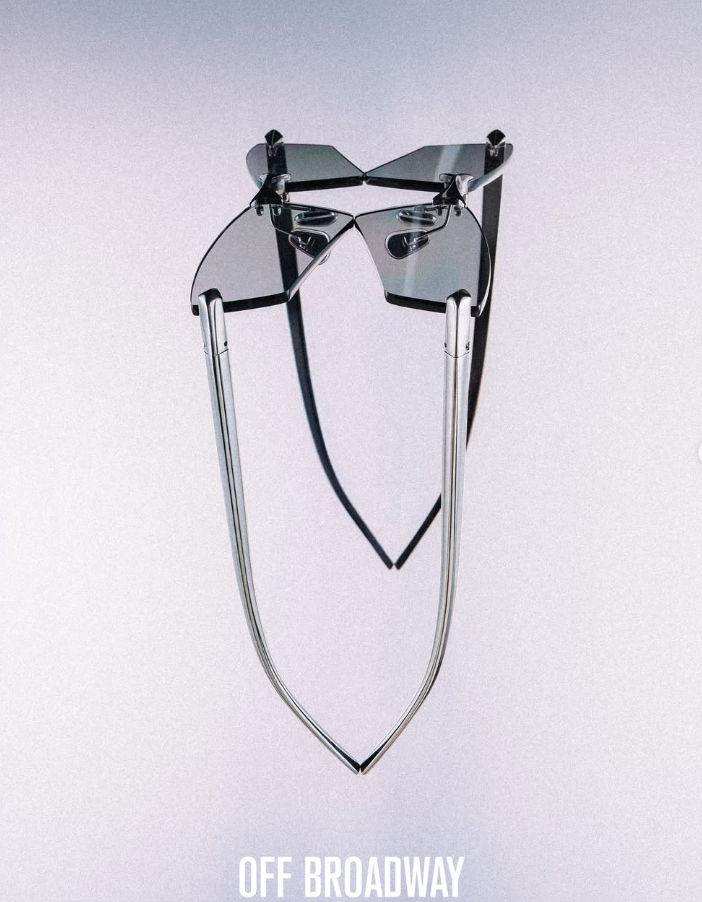
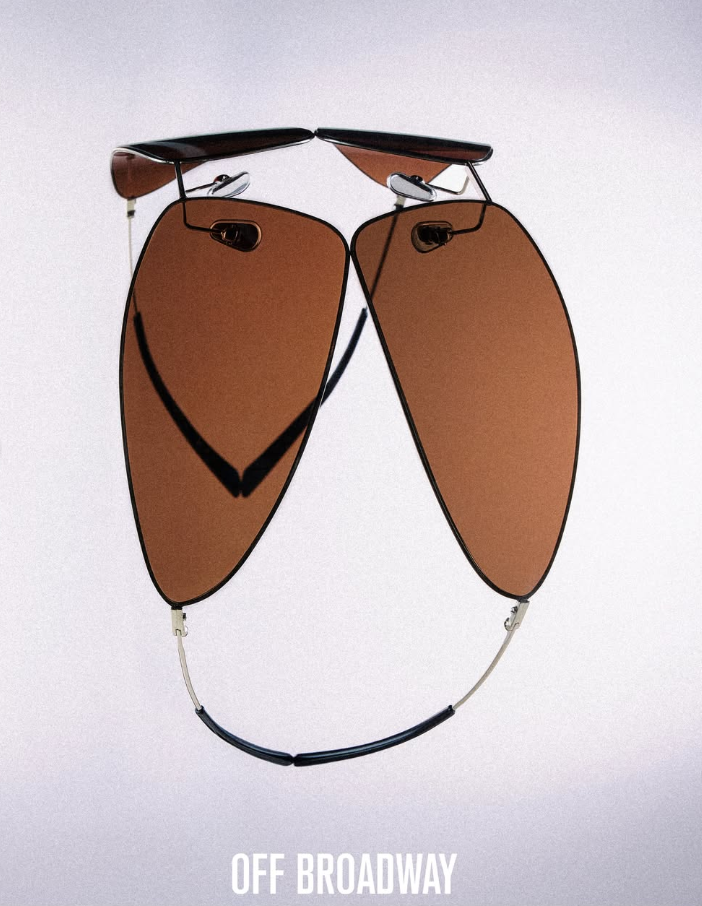
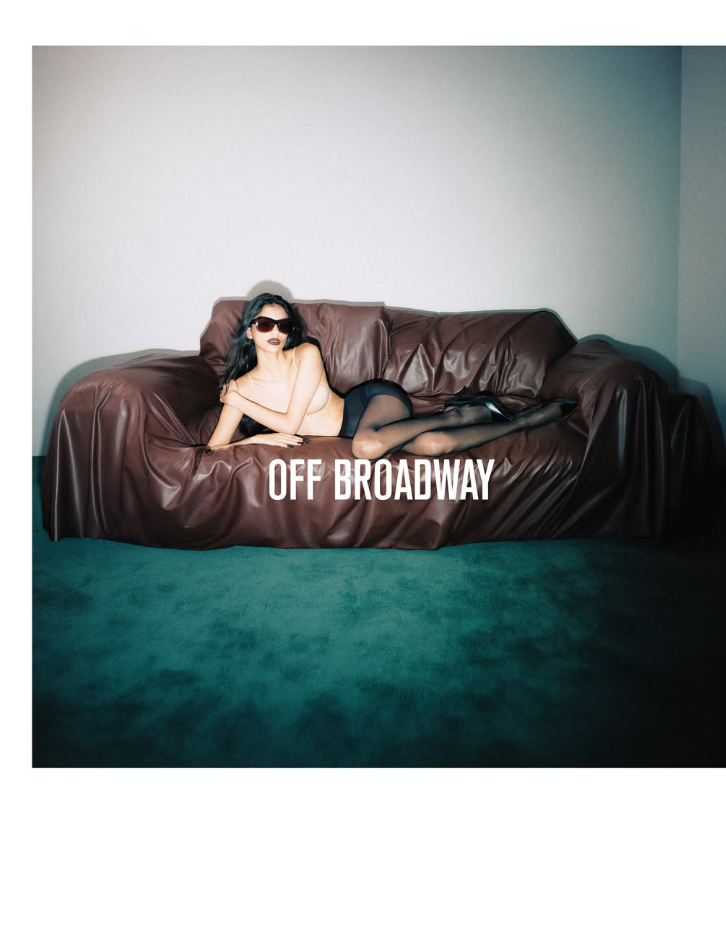
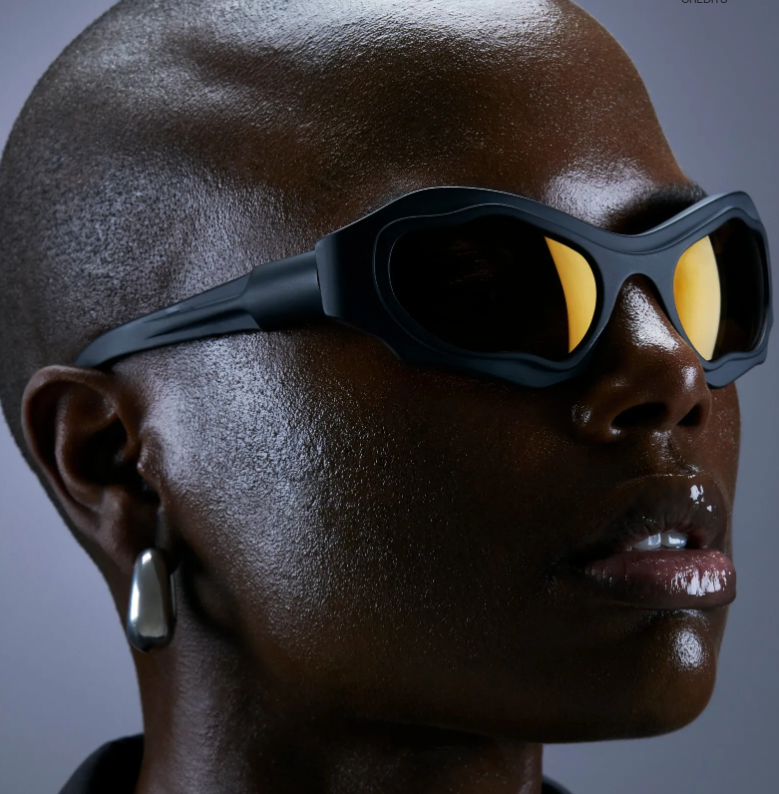
Off Broadway is based in Jamsil, Songpa-gu, Seoul, and their 2025 collections read like pattern-cutting experiments for the face. Instead of a clean circle or square, you get a "structurally cut front" and a low hexagon silhouette — the SKINNY CIGARETTE model pairs that with straight, almost architectural temples. Their ANNIVERSARY frame takes the opposite route: oversized square, retro-inspired, but with bold temples that gradually taper and a metal signature engraved at the tips.
It's all acetate, but finished like jewelry — silver details, single-side logo embellishment, and a deliberate asymmetry that makes each pair feel disassembled and rebuilt. Every optical version comes with blue-light blocking and 100% UVA/UVB clear lenses, so the futurism isn't just aesthetic — it's built for screen life too.
Why it matters: Off Broadway proves K-eyewear isn't just Gentle Monster minimalism. It's geek-chic with a tailor's eye.

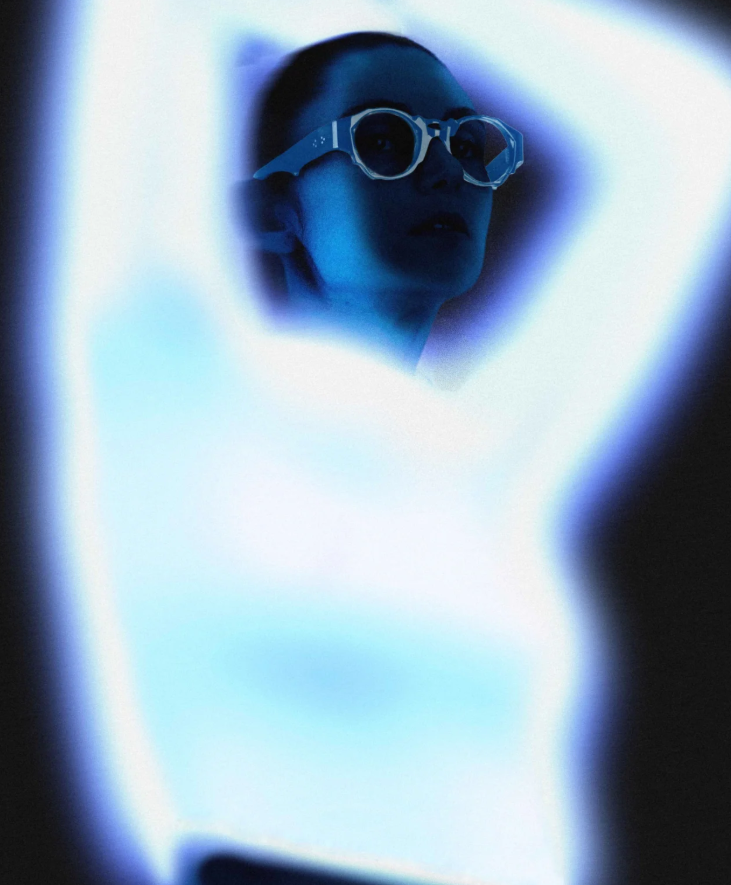
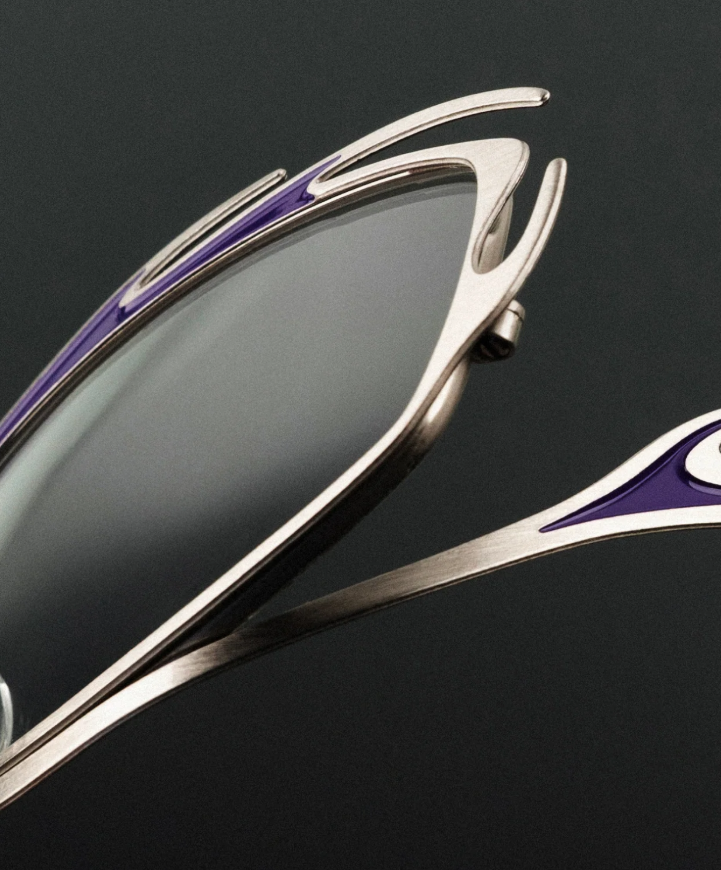
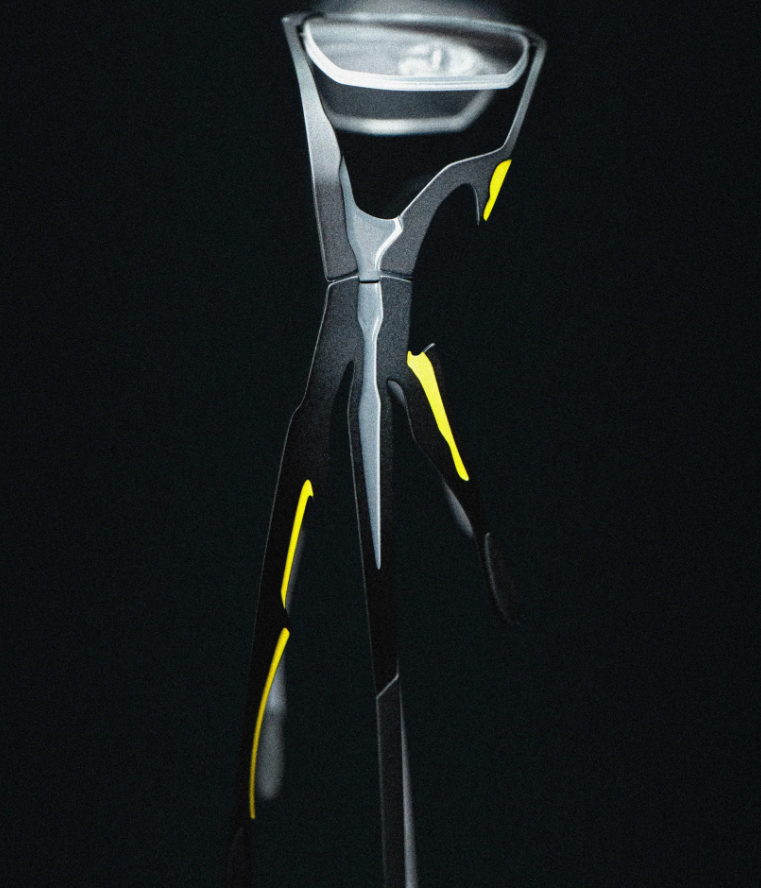
Founded in 2002 by Hugo Martin, Parasite Design SARL is the French house that made function weird — on purpose. Their calling card is the STEREO active holding system, a patented alternative to standard temples that literally changes how glasses stay on your head.
The brand lives in experimental labs. They were early adopters of 3D printing and augmented reality prototyping, and they manufacture with an eco-conscious, human-centric ethos that won them both a SILMO D'OR and Tokyo Eyewear of the Year.
Look at the frames and you see it: vein-like lattices, exoskeleton ribs, and models like the Carbon 22 — 3D-printed polyamide with full UVA/UVB protection. Materials skew technical too — surgical-grade stainless steel is standard, not premium.



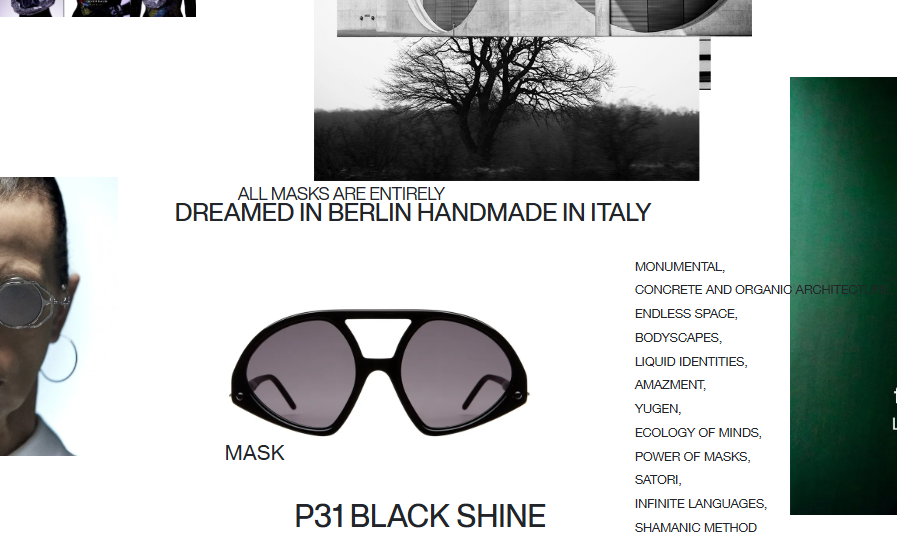
Kuboraum means "cubic room" in German, and that's the whole philosophy. Founded in Berlin in 2012 by Italian designer Livio Graziottin and anthropologist Sergio Eusebi, the label is famously Italian-made but Berlin-dreamed.
They don't call them sunglasses. They call them masks — and they mean it. "Dreamed up in Berlin and handmade in Italy, each Kuboraum mask is created to highlight the personality and character of the wearer," their stockists write. "Representing a sense of intimacy and view of the world through two lenses, Kuboraum masks are synonymous both with mockery and games, and protection and shelter".
The origin story helps: the studio started in the rooms of a former post office on the border between East and West Berlin, a space that became gallery, showroom, and incubator. That liminal history feeds the designs — chunky acetate shields, exaggerated proportions, architectural brows that feel like you're wearing a small building.
Their own manifesto doubles down: "masks designed on the face of those who wear them, masks that highlight personality and emphasize character... like cubic rooms where we shelter ourselves, where we are free to live in our intimacy". It's eyewear as identity armor.
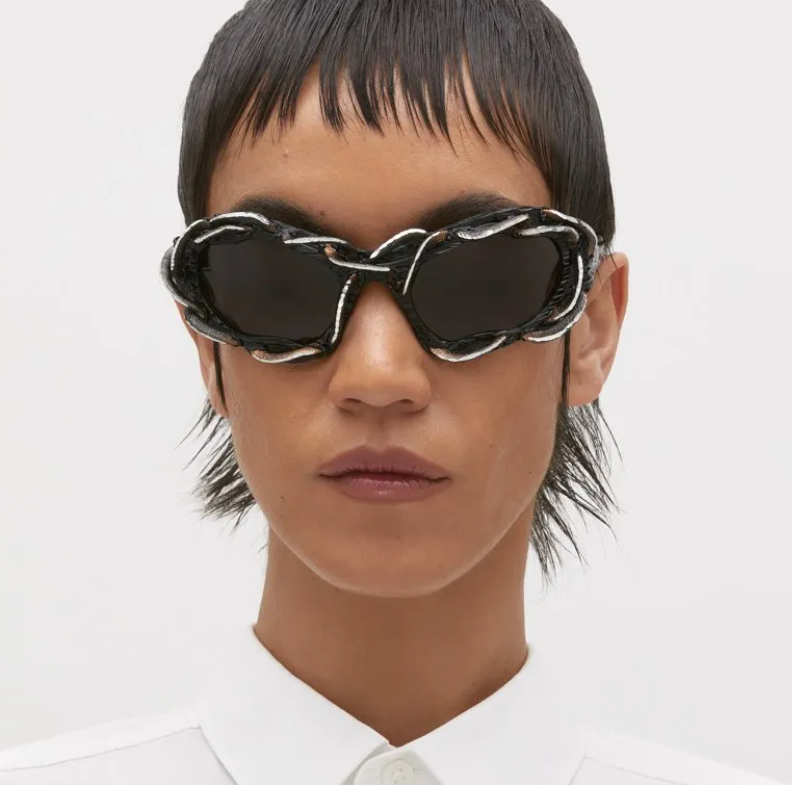
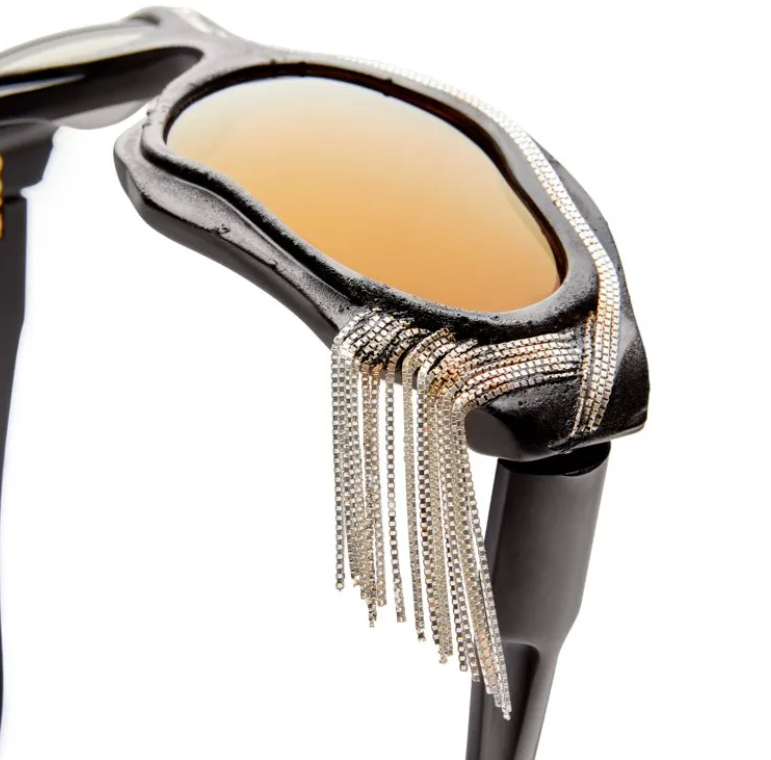
During Travis Scott's Circus Maximus Tour, the emerging New York brand created the now-iconic Belted Sunglasses — replacing traditional temples entirely with leather straps and iron buckles for an adjustable, personalized fit.
The custom UTOPIA pair had the tour logo stamped on the back of the strap, but the general release kept the same DNA: sculptural fronts, heavy hardware, and that belt-meets-goggle attitude. Priced at $145 USD and offered in black, white, and brown, they sold as wearable art, not just merch.
Hellcat's inclusion in Hypebeast Magazine Issue 34 alongside Satisfy Running and Luar confirms the positioning — they're not an accessories label, they're a New York design studio blurring eyewear and art. Expect flame licks, melted edges, and materials that look cast, not cut.
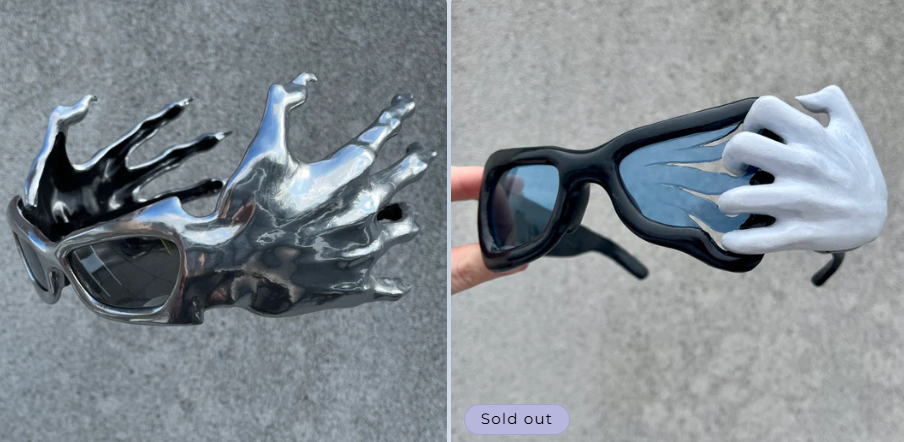
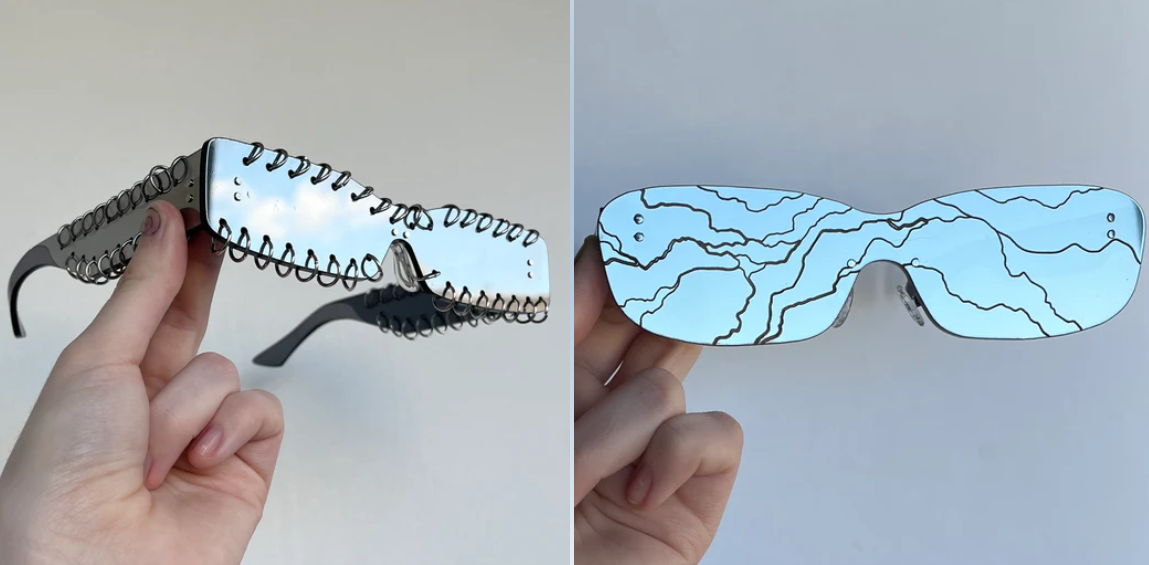
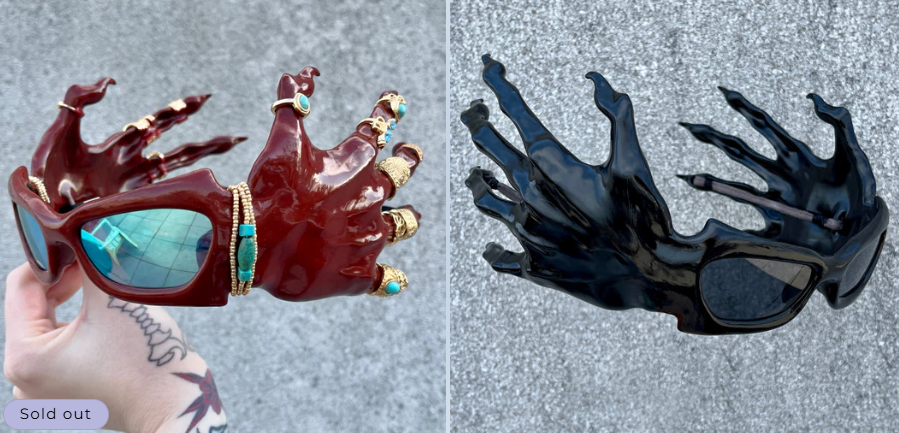
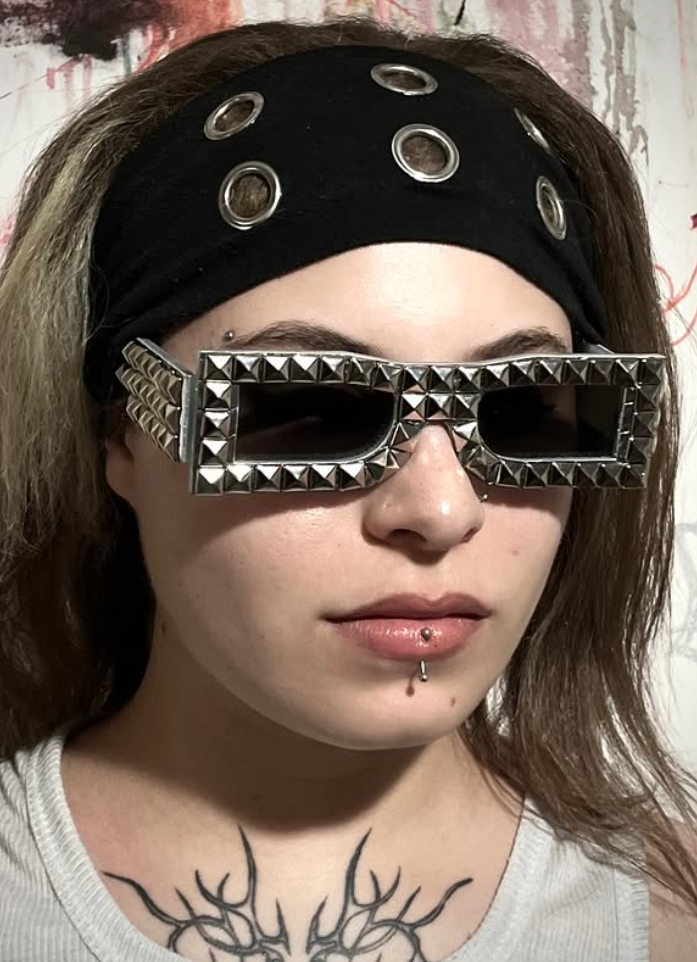
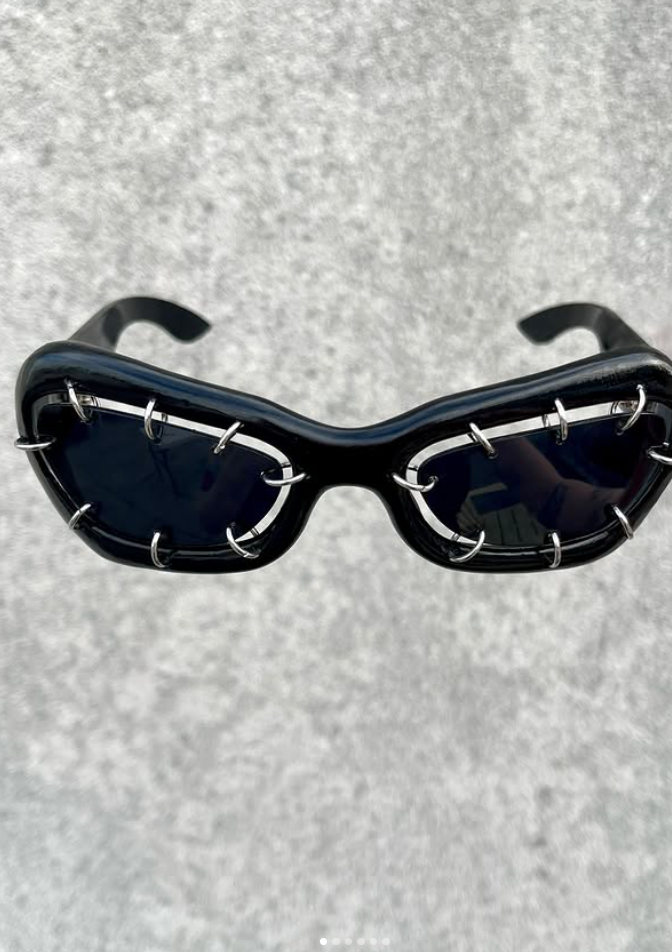
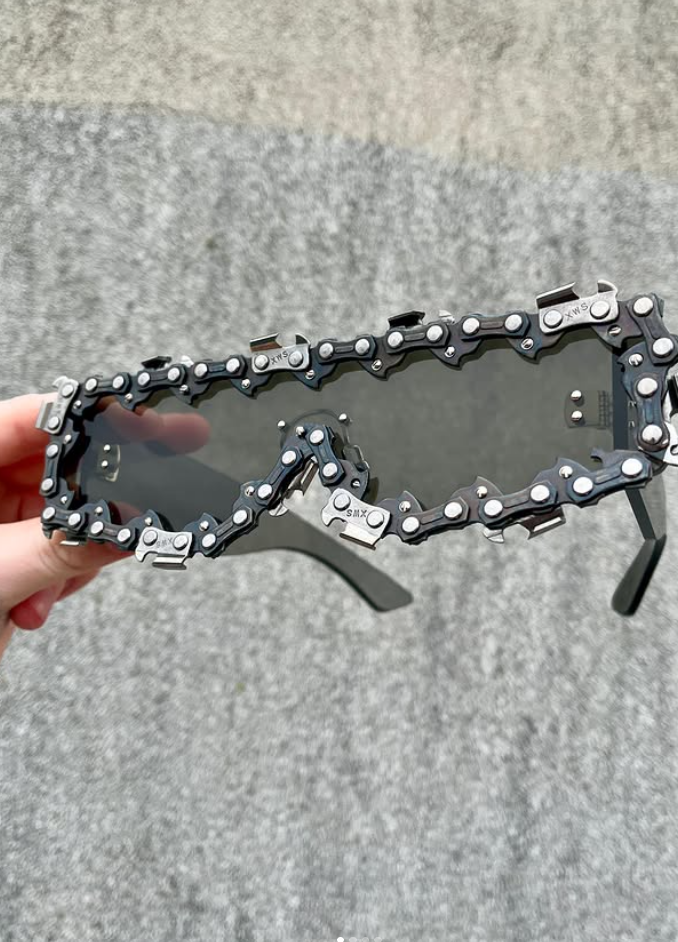
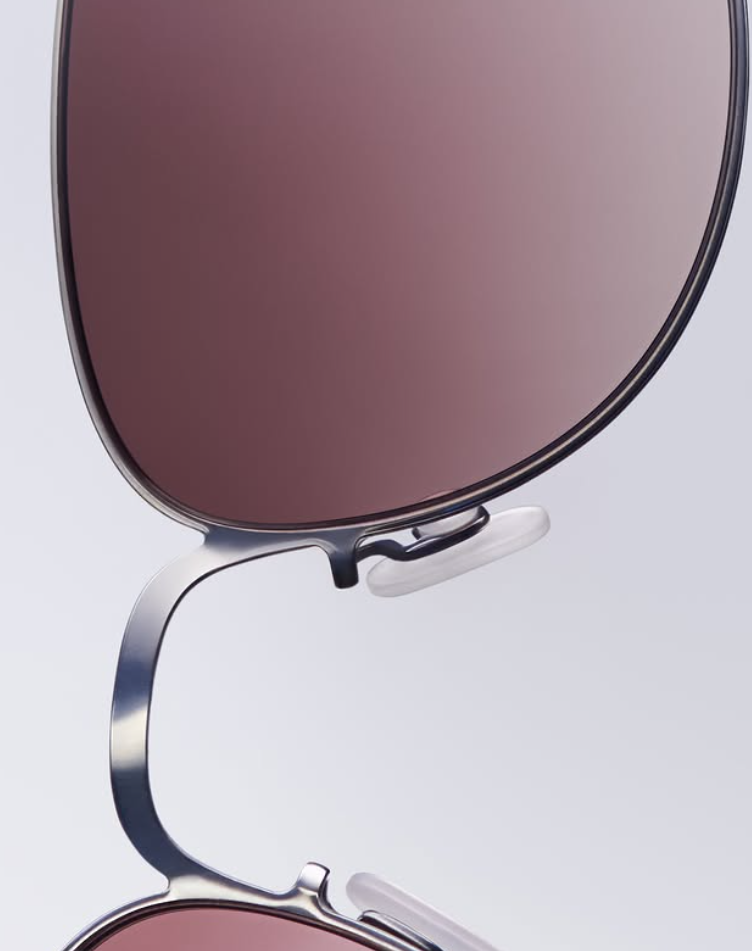
If the others are sculptors, MYKITA is an engineer. The Berlin-born house does everything in-house at the MYKITA HAUS — conception, engineering, assembly — uniting flat stainless steel, proprietary 3D-printed MYLON, and their iconic screwless spiral hinge into pieces that are unmistakably modern.
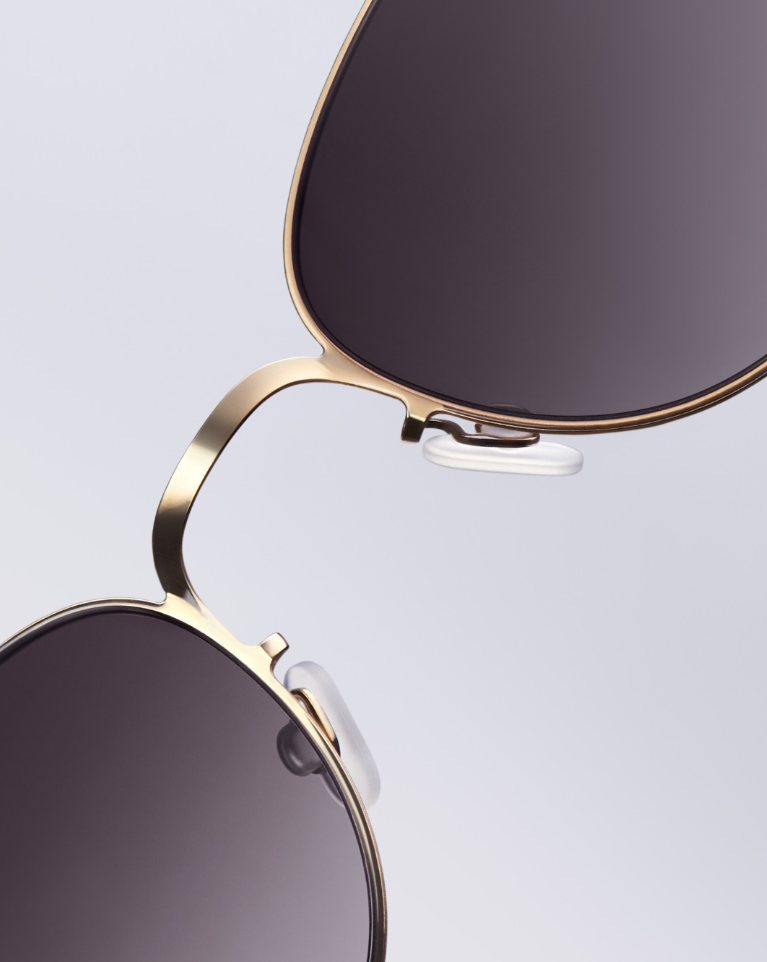
That spiral hinge is the hero: patented, cut from a single sheet of stainless steel, individually adjustable, and completely screwless. You'll find it on everything from the lightweight LITE RYKER optical frame to their acetate hybrids.
Where they push the future is MYLON. With the HYBRID line, MYKITA 3D-manufactures classic silhouettes by laser-sintering MYLON, then fusing it to stainless steel. The result is stronger, lighter, and more flexible than traditional acetate, with added MYLON grip zones on the nose and temples, plus their patented snap hinge that ditches screws entirely.
It's not flashy futurism — it's quiet, German futurism. Frames that weigh almost nothing, survive being sat on, and look like they were milled in a lab. That's why MYKITA keeps ending up in collaborations with Leica and Rimowa: they speak the same language of technical minimalism.

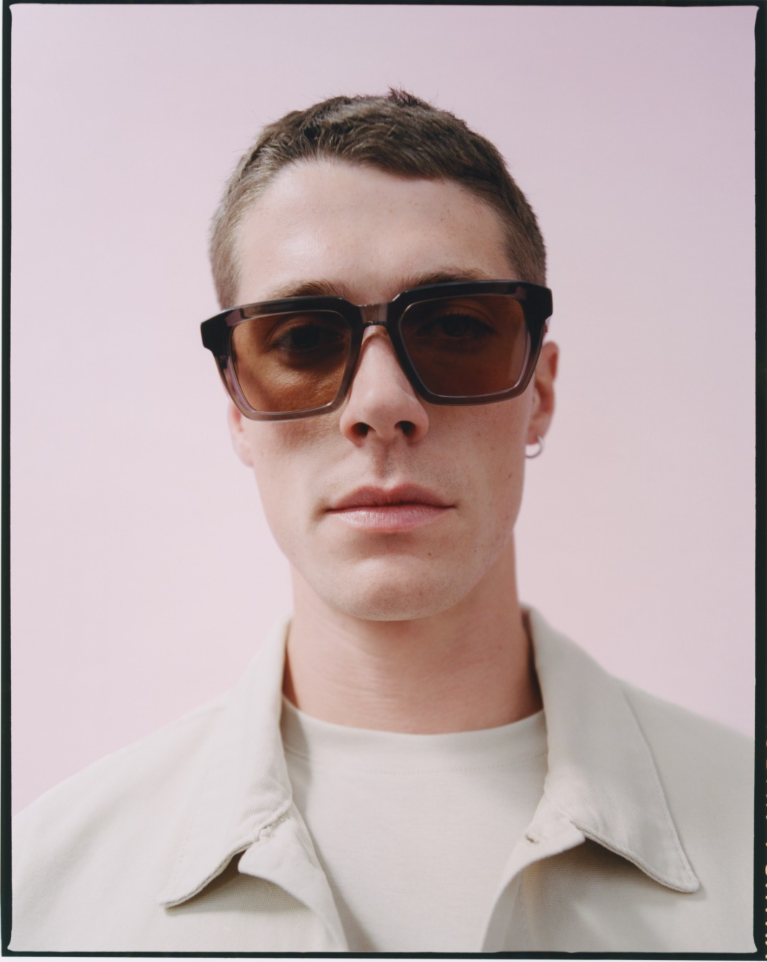
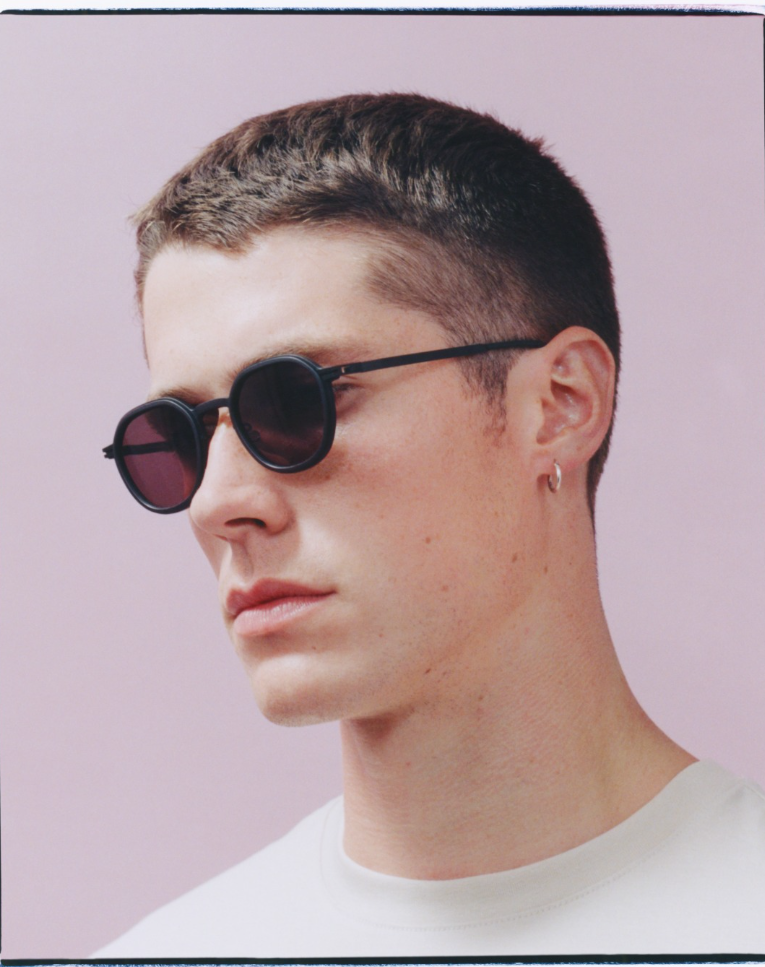
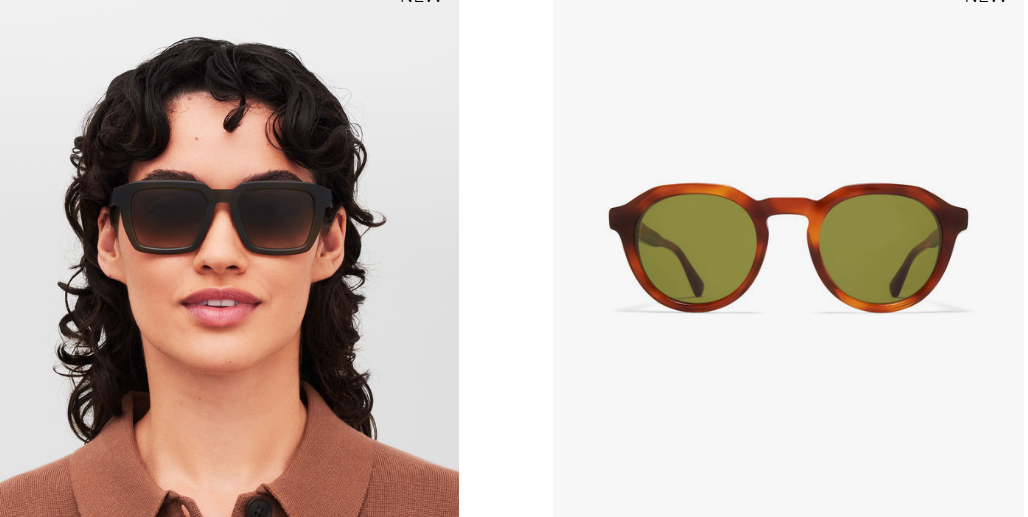
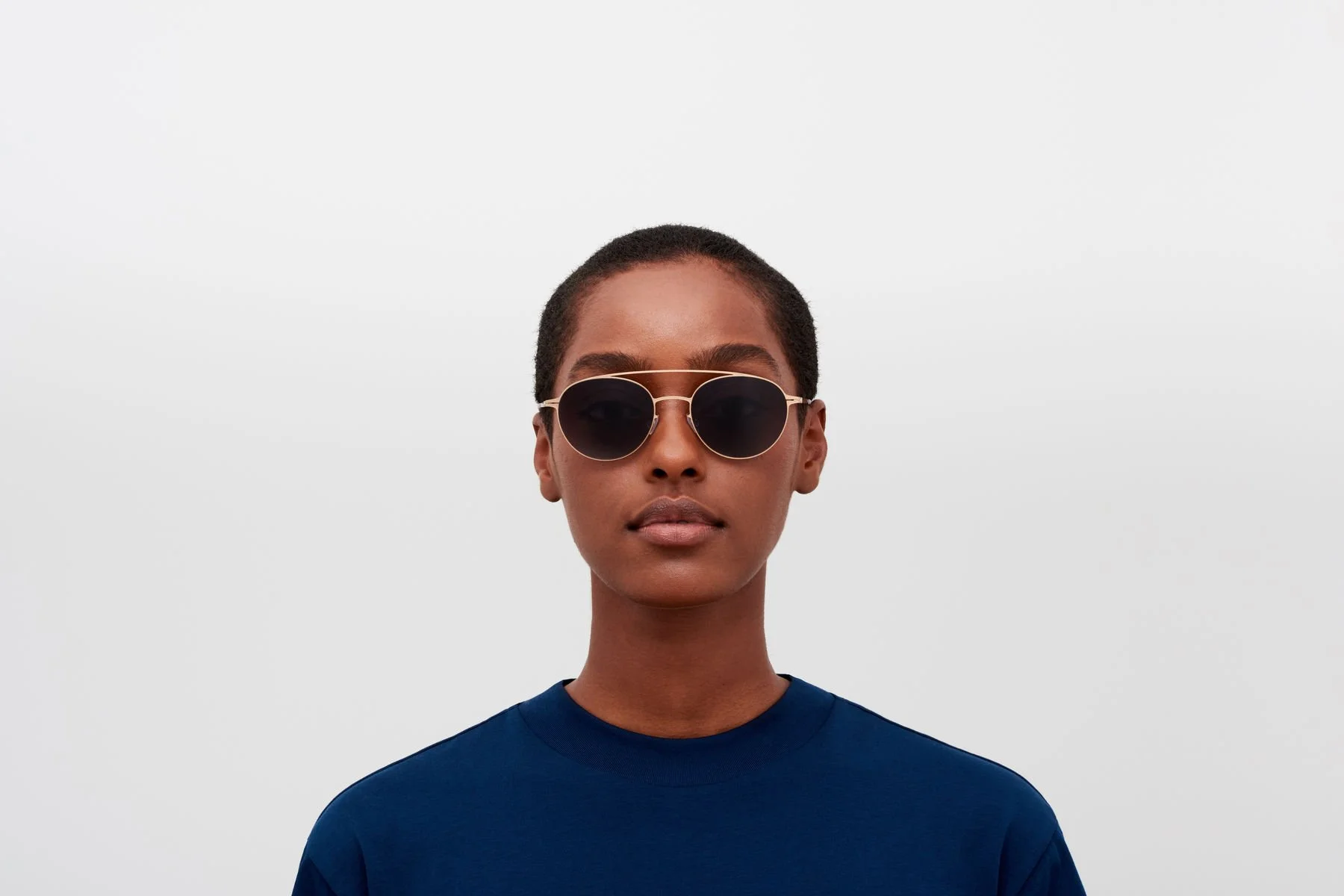
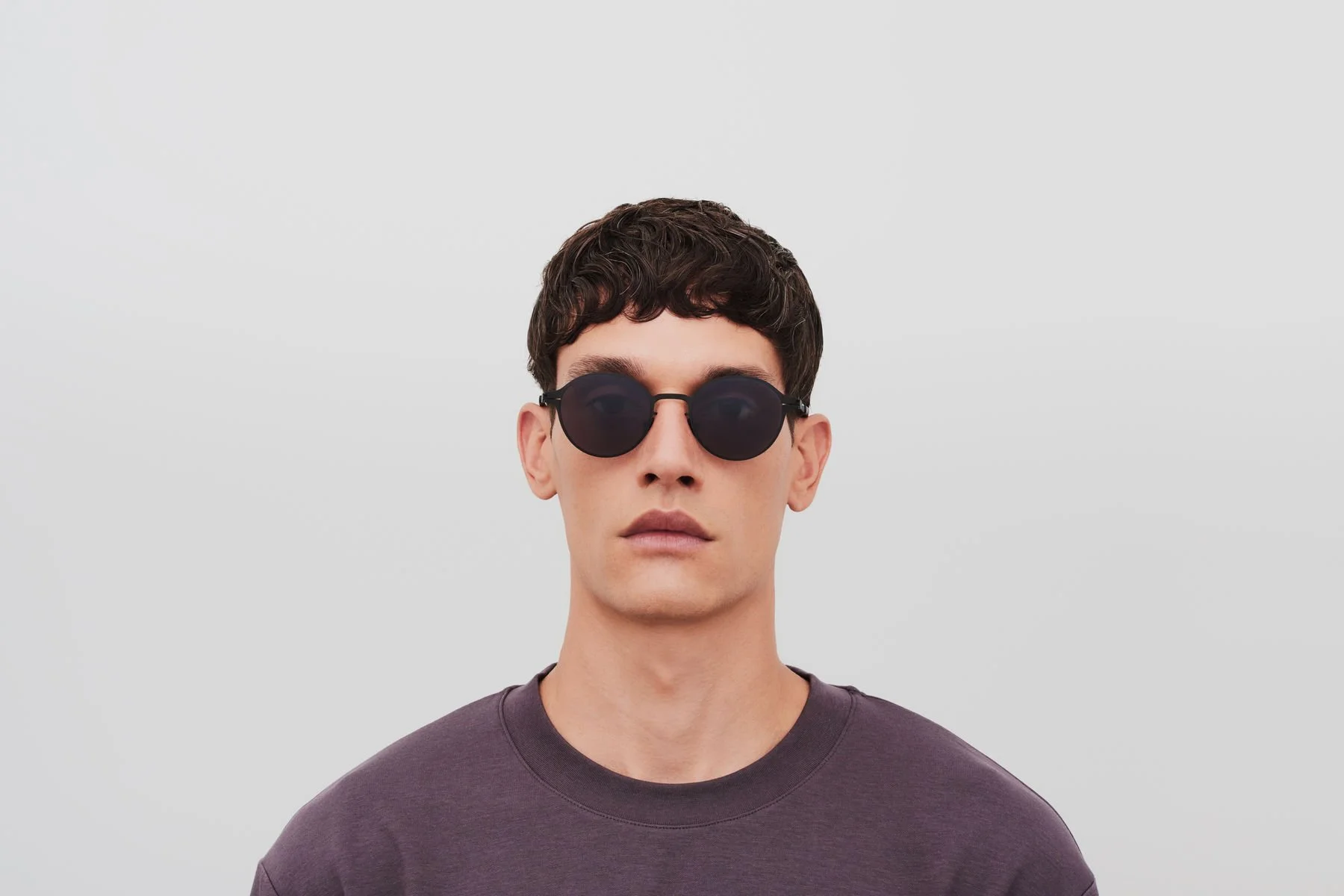
The takeaway: shade is no longer about tint. Off Broadway deconstructs, Parasite re-engineers the fit, Kuboraum builds masks for persona, Hellcat weaponizes hardware, and MYKITA prints the future. If you're buying sunglasses in 2026, you're not just buying sun protection — you're picking your architecture.



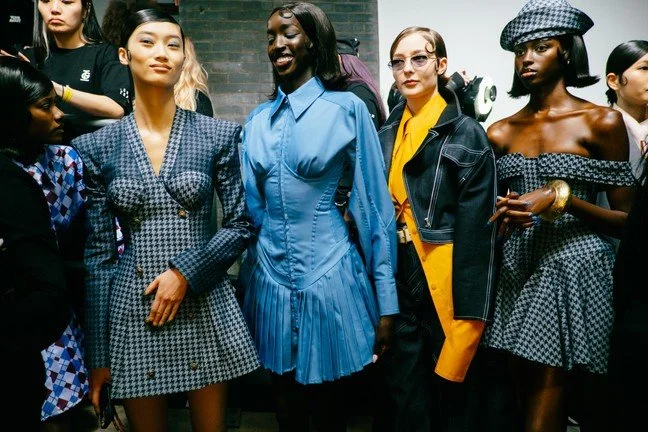

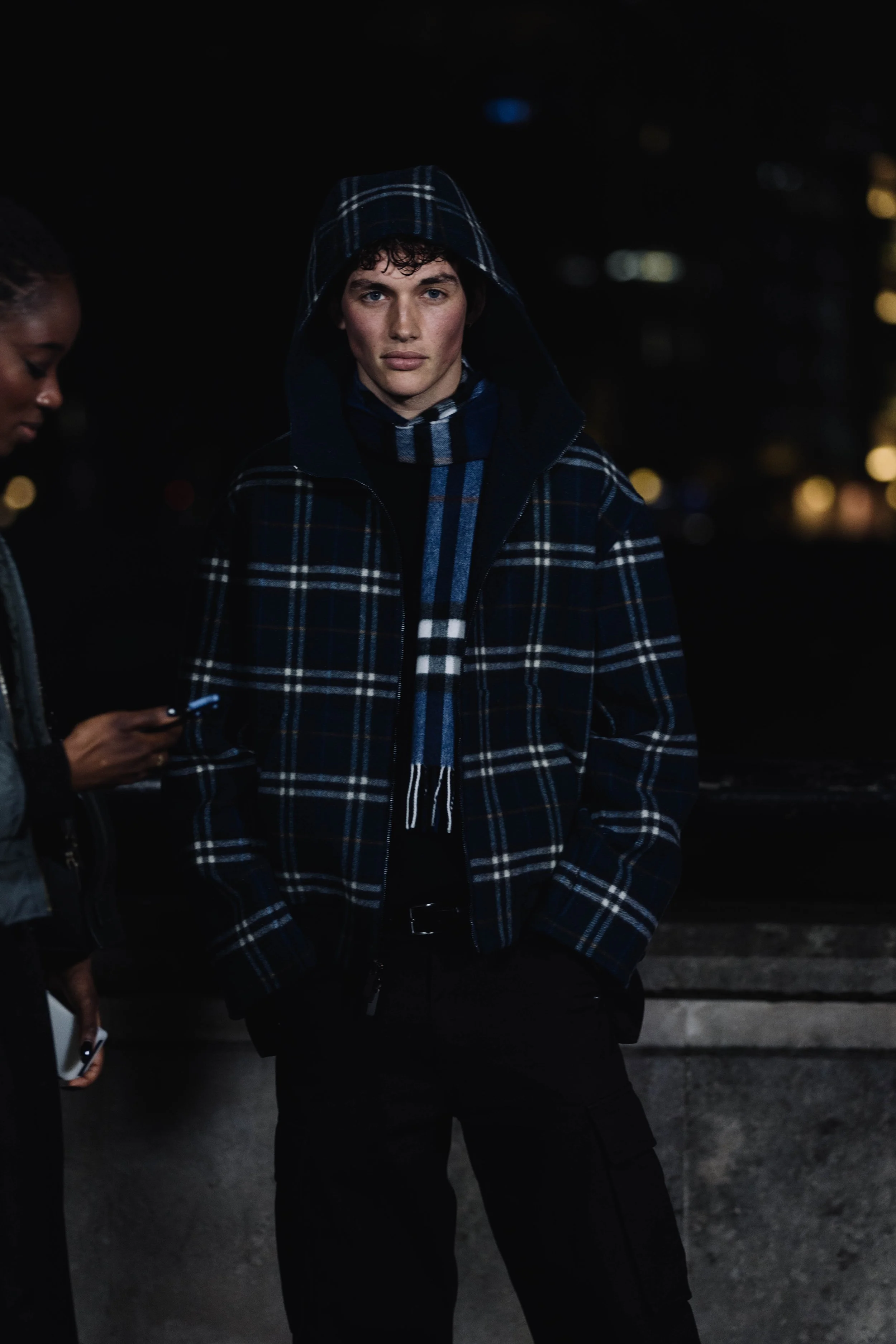
STREET STYLE



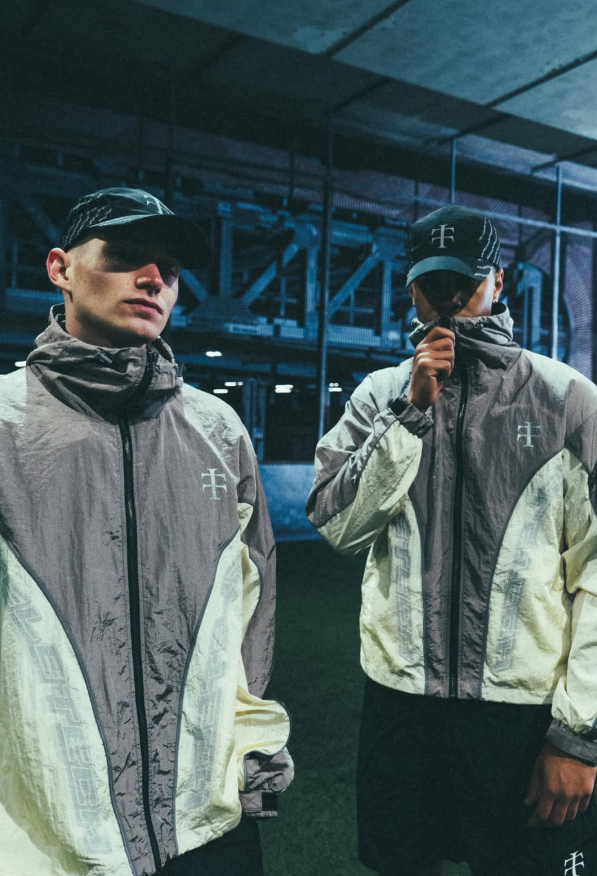



After opening the season in April with Ms. Lauryn Hill and her family in raw denim, Denim Tears rolled out a second chapter that puts New York style documentarians in front of the lens.