MEET MIHAI MAR; FOUNDER OF MAR KNITWEAR AND CO-FOUNDER OF DUBLIN-IFW
Since discovering knitting machinery at NCAD in 2016, Mar has built a Dublin-based label that blends Irish heritage craft — especially Donegal Yarns — with modern, story-driven design. In this interview, he talks about why he chose knitwear over cut-and-sew, how a misty school in Taiwan's Alishan mountains inspired his 'Merits Over Mischief' collection, and why he refuses to outsource production even as demand grows. From co-founding Dublin Independent Fashion Week to making pieces for Netflix's Wednesday and showing at Copenhagen Fashion Week, Mar explains his quiet protest against fast fashion: keep it in-house, keep it playful, and make knits that still feel like treasure five years later.
MAR Knitwear is described as blending traditional craftsmanship with modern design using locally sourced materials. When did you first decide knitwear — not cut-and-sew — was the right language for the brand?
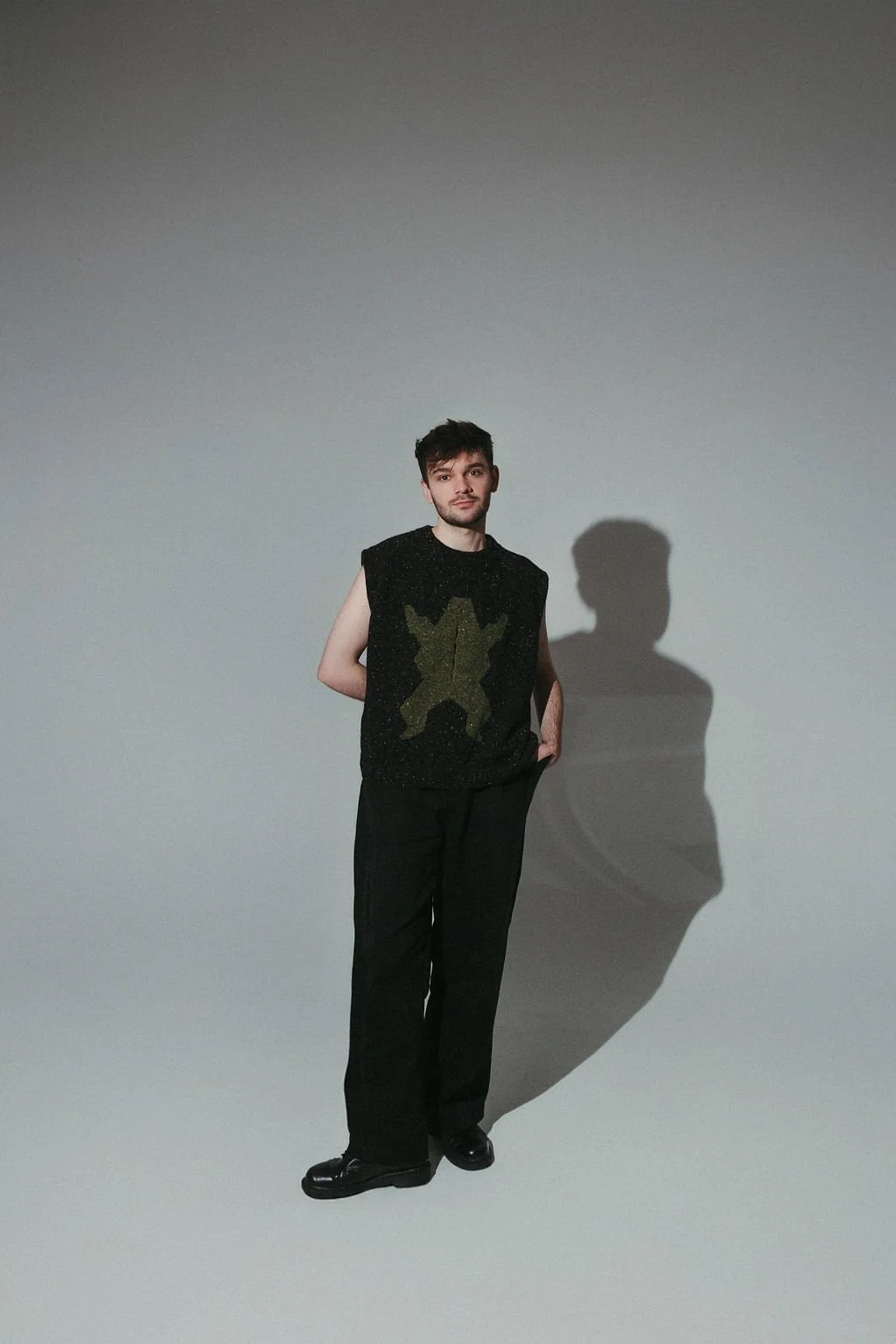
My interest in knitwear began while I was studying at NCAD. In 2016, during my second year of Fine Art Textiles, I was first introduced to knitting machinery. I was immediately drawn to it and its endless possibilities. The idea of taking yarn and transforming it into original fabrics and garments was incredibly exciting to me. It was then that I decided knitwear was something I wanted to pursue as my primary discipline.
You work closely with Donegal Yarns. What drew you to that specific mill, and how does the texture of Donegal wool shape the way you design a silhouette?
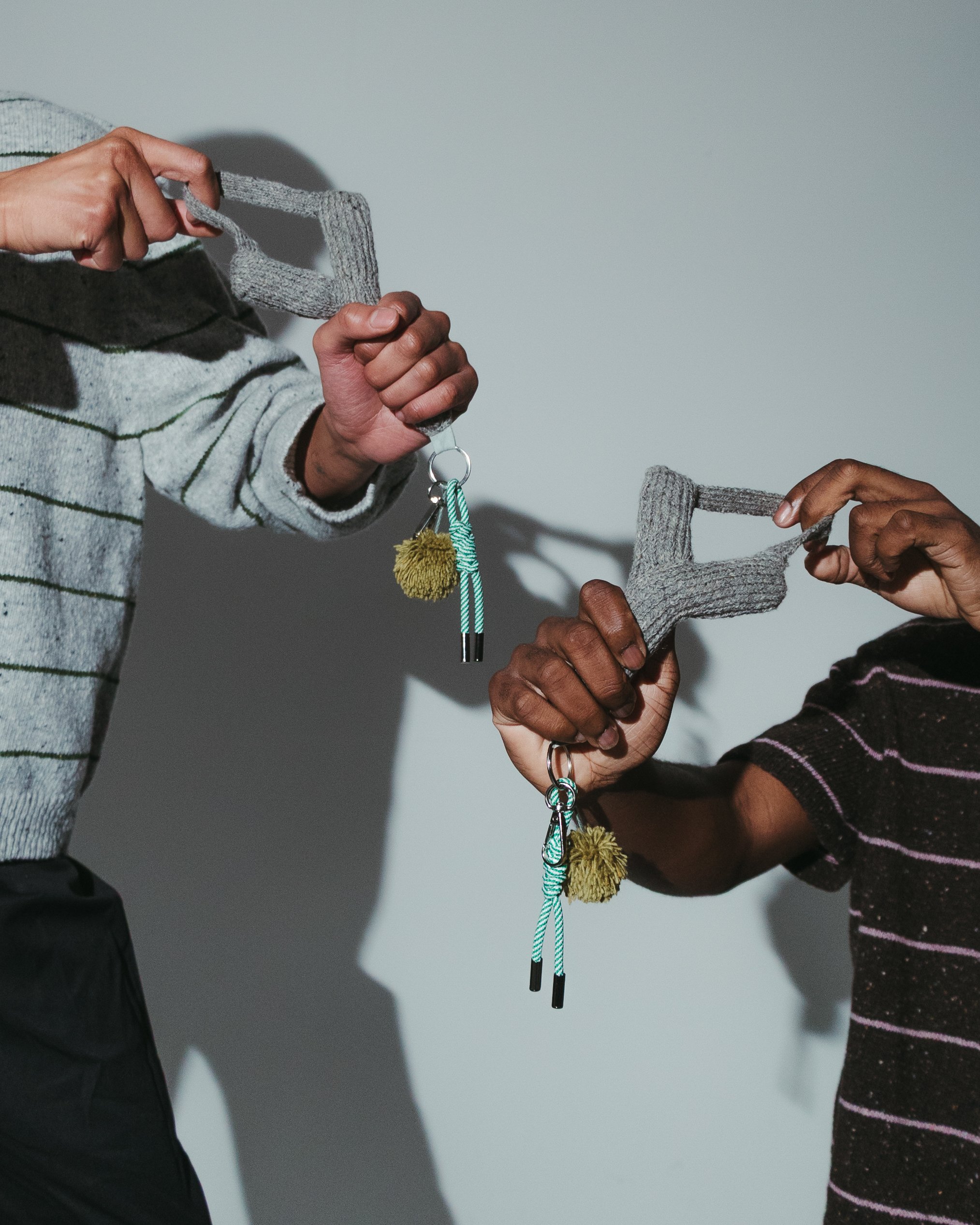
Ireland has such a long and inspiring history with textiles, so when the opportunity arose to work with a heritage fibre, I was eager to explore it and contribute to that story in my own contemporary way. The colours and texture of Donegal Yarns were definitely what first drew me in, and it has been a beautiful yarn to knit with. Its character and richness naturally influence the way I approach design, adding depth and personality to each piece.
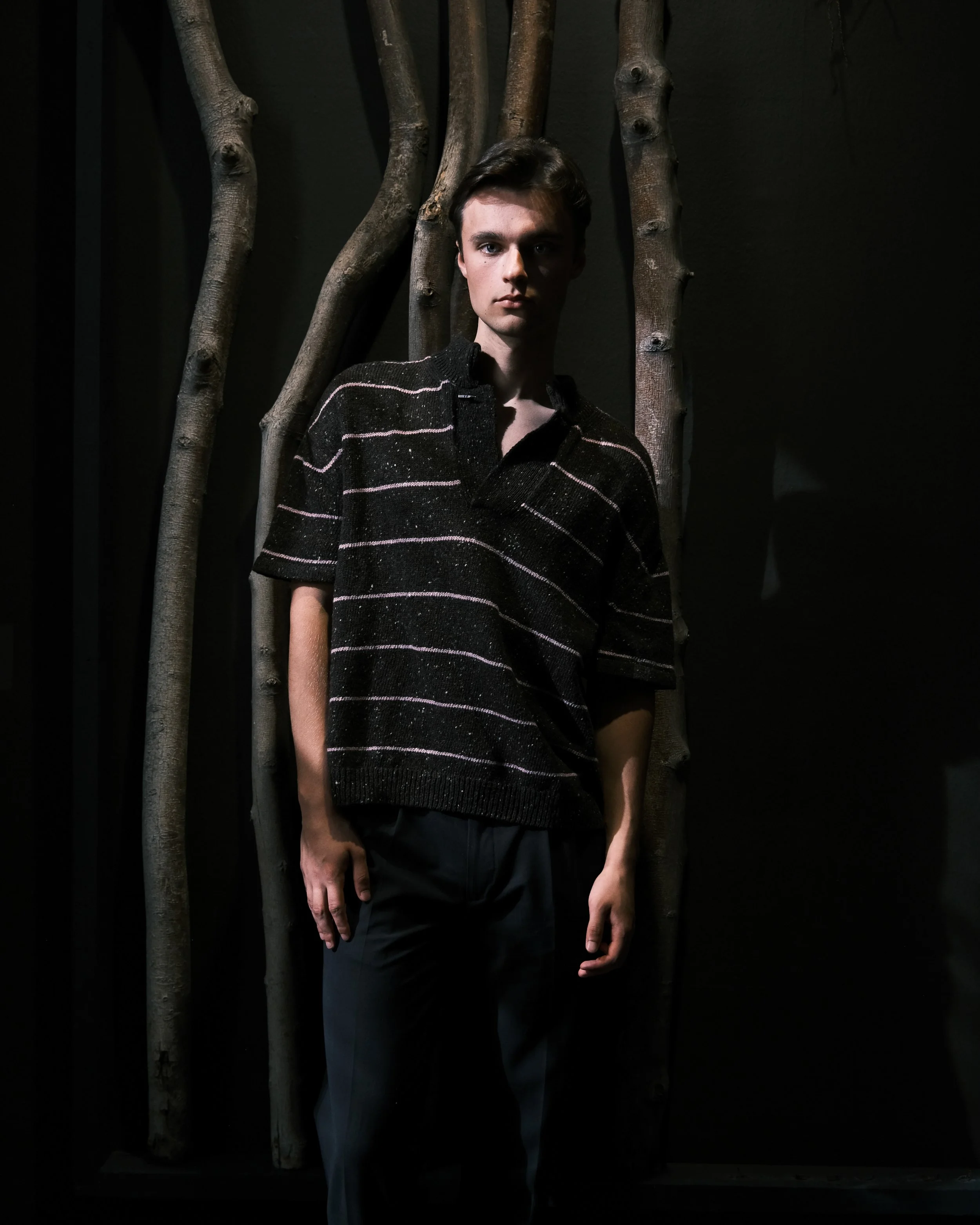
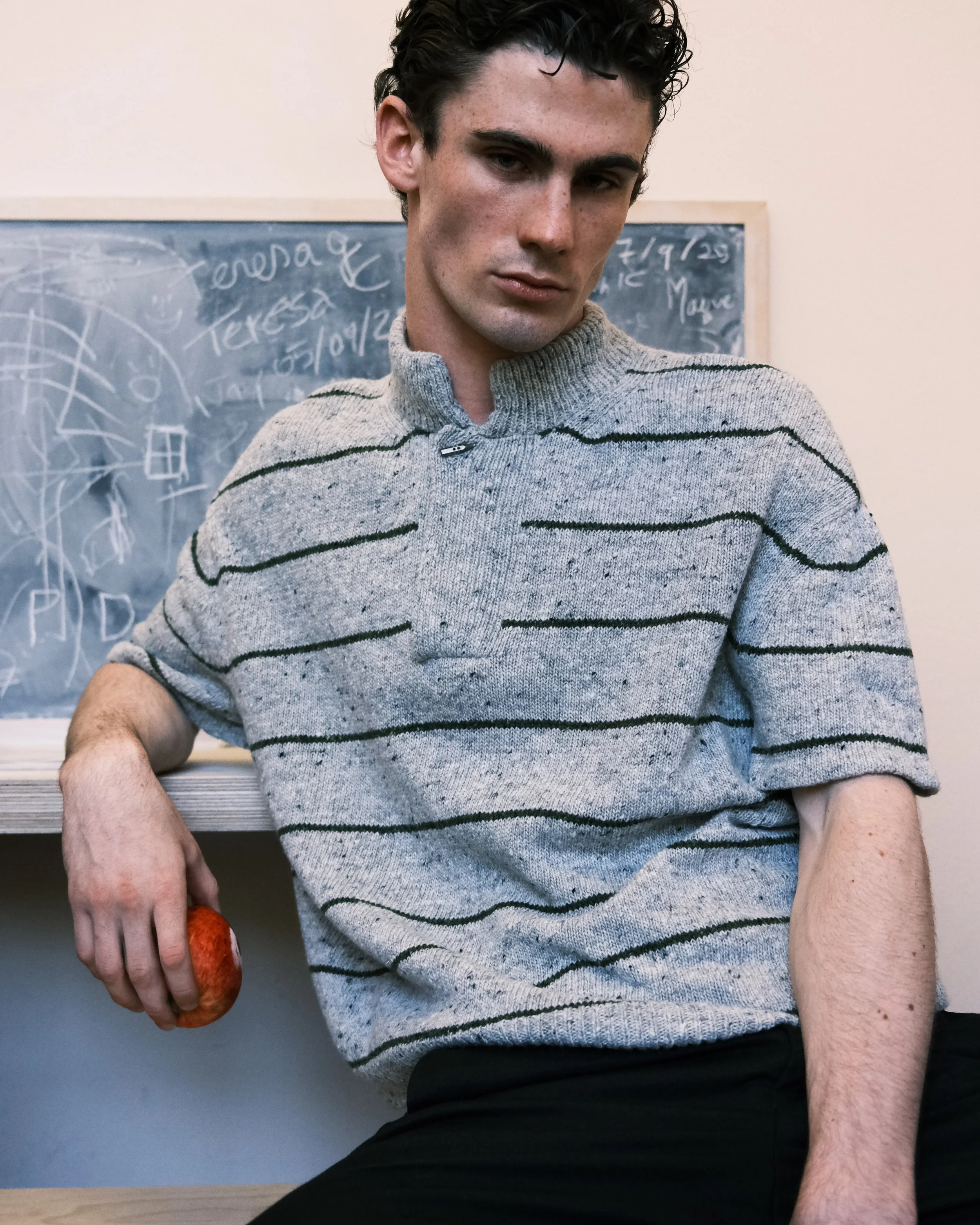
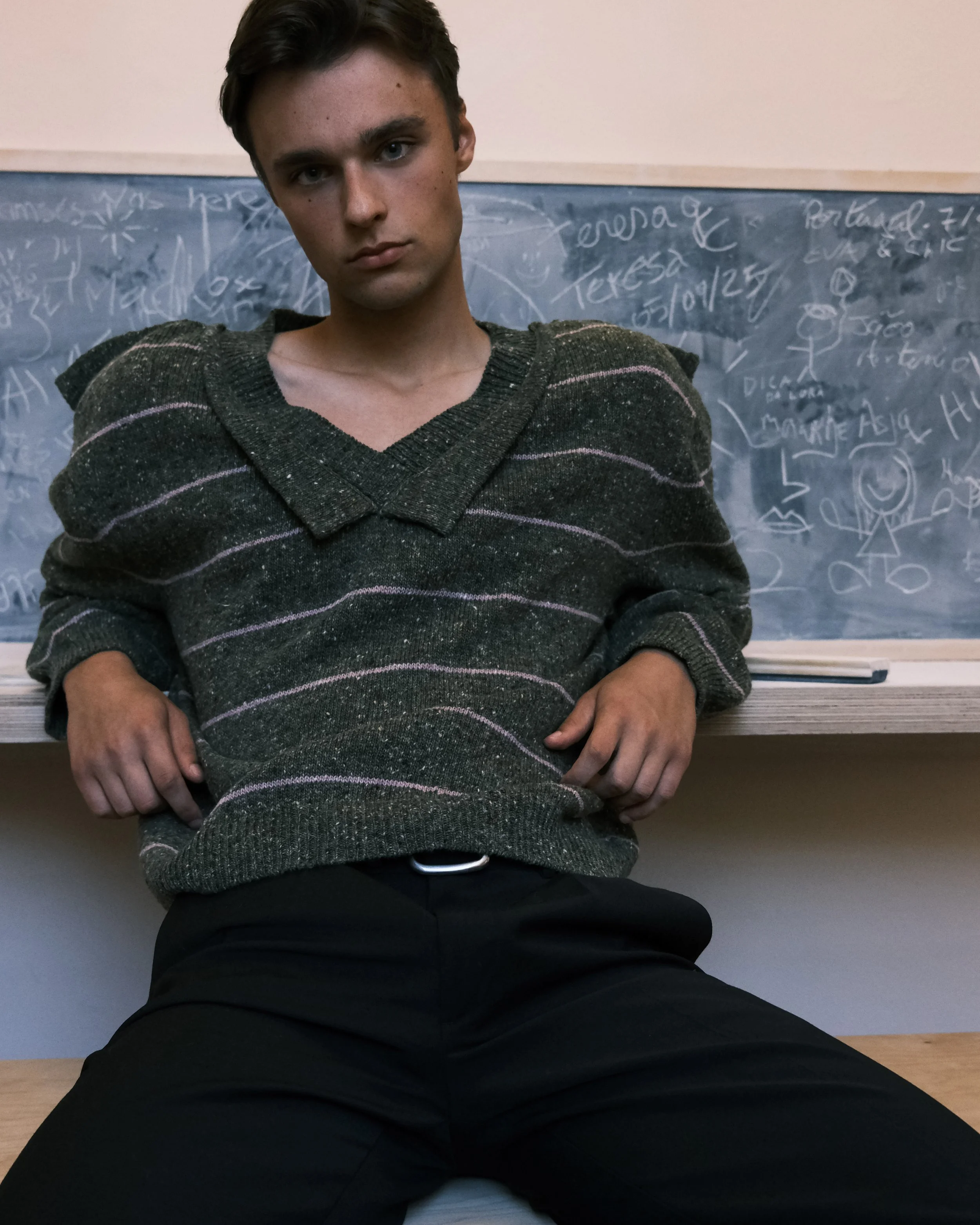
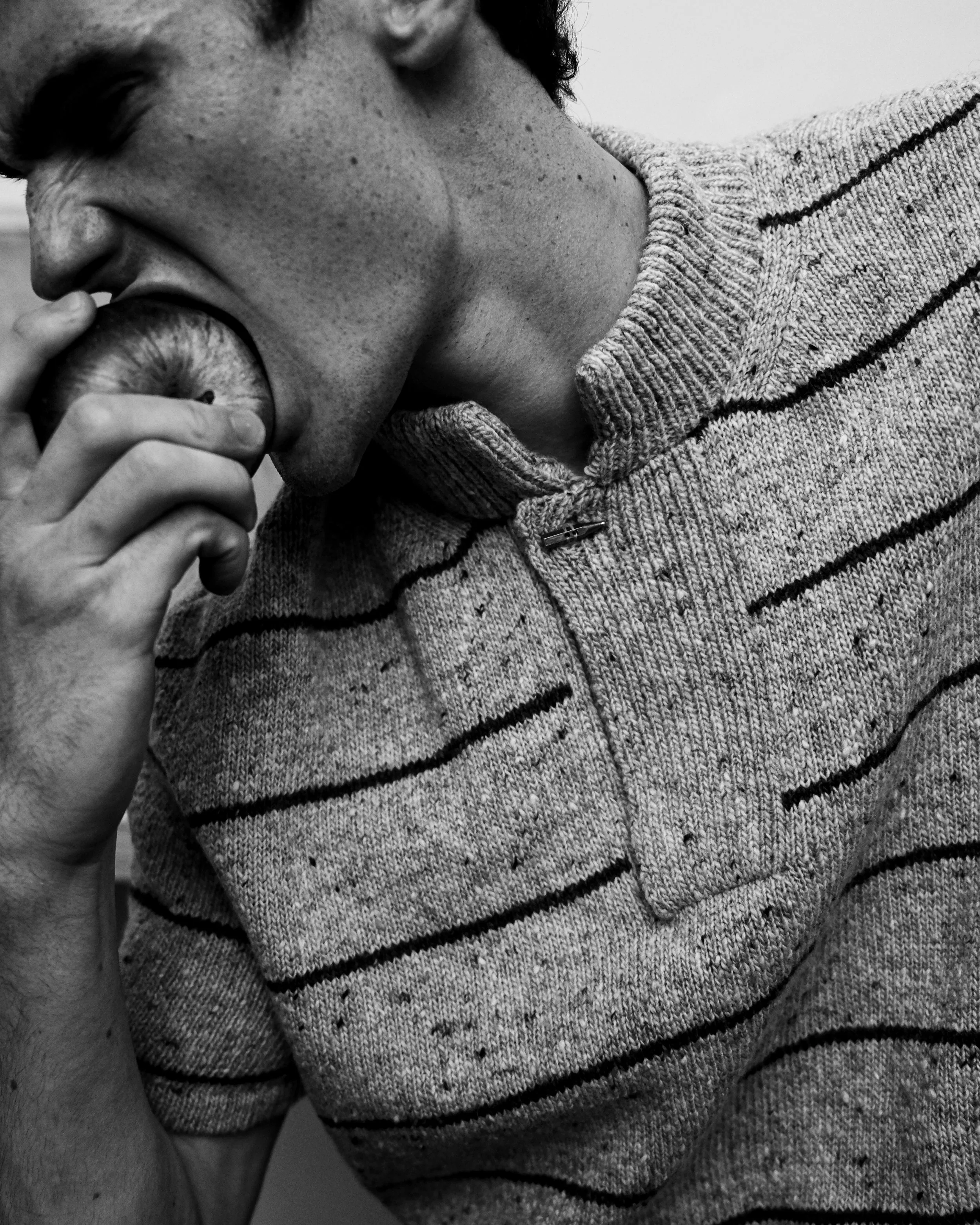
The label is very story-driven. How does your own identity show up in the yarn choices, color palette, or naming of a collection?
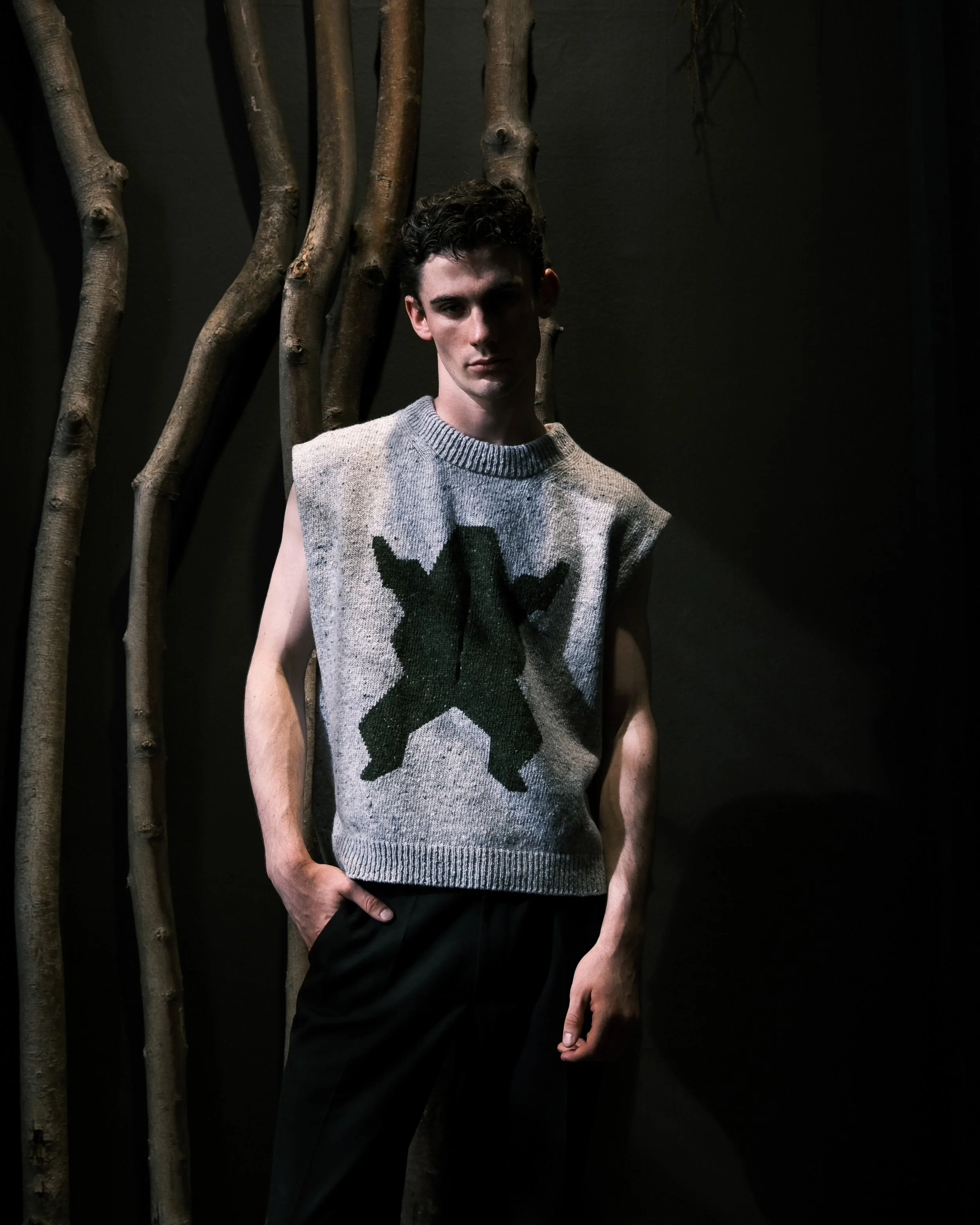
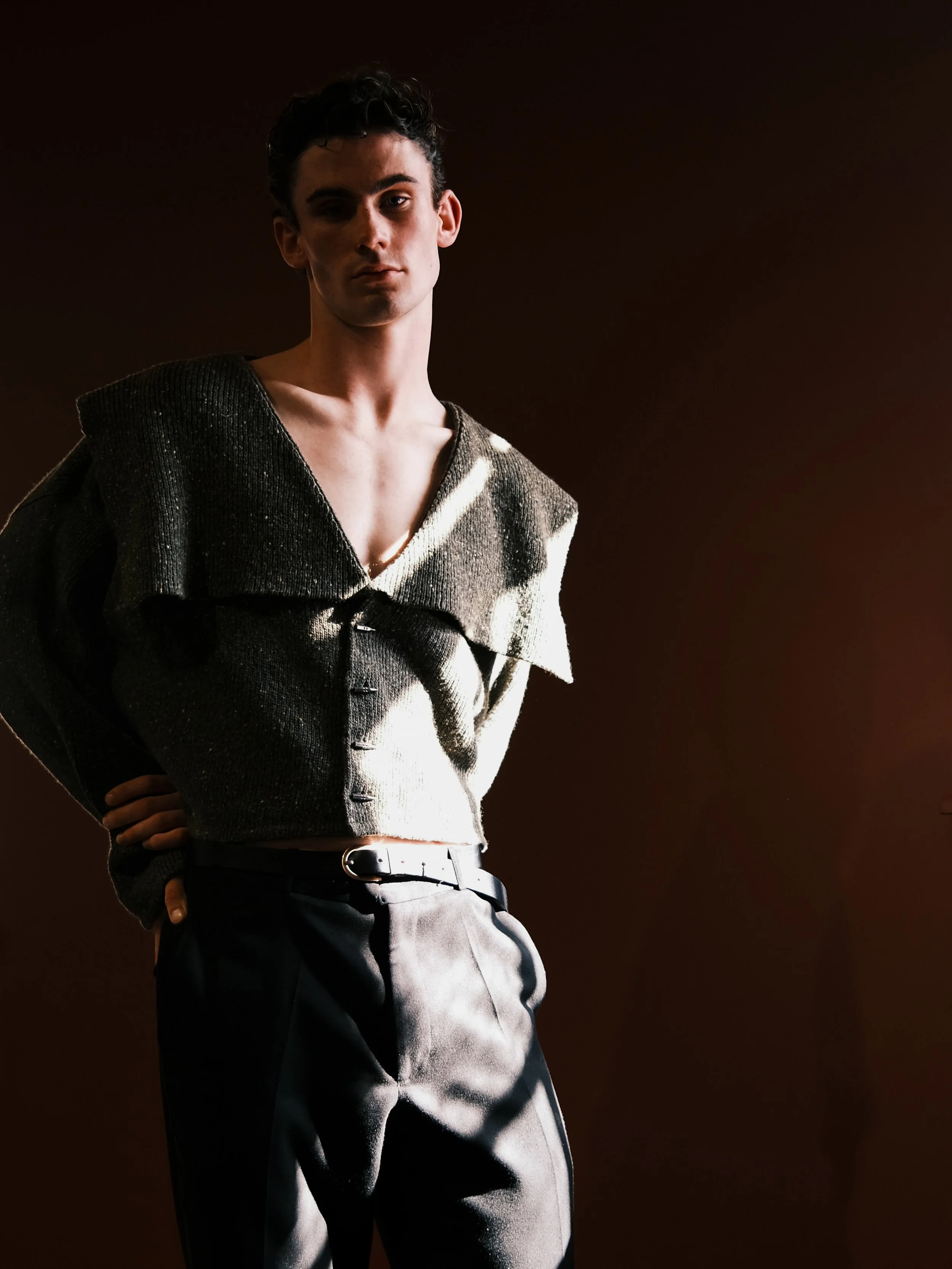
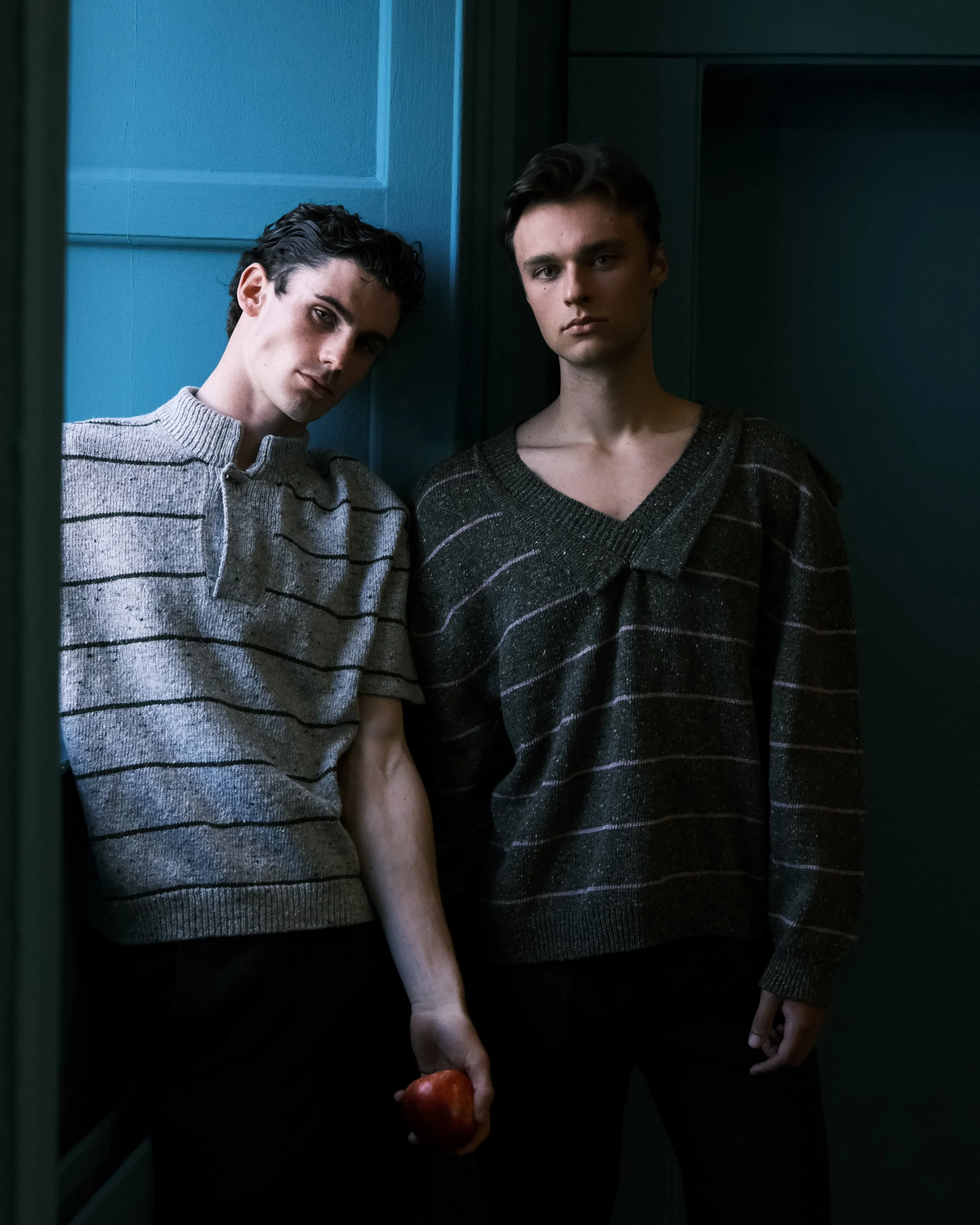
Each collection begins with a fictional story, where I design for the characters who live within that imagined world. It's an approach that feels both playful and natural to me. These fictional worlds act as my own sanctuaries, and when it comes to yarn choices, colour palettes, and silhouettes, I tend to prioritise harmony and comfort. That often results in boxy silhouettes, earthy colourways, and dreamy photo campaigns. I think that's how my identity shows up in my work, as someone who values and seeks out inner peace.
Your 'Merits Over Mischief' collection pulled from Taiwan's misty landscapes. That's a long way from Ireland. Walk me through how that reference translated into stitch, weight, and form.
Yes, definitely a long way from Ireland. Travel and mystical places have always been a huge source of inspiration for my brand. When I visited Taiwan last year, I had the opportunity to travel high into the mountains of Alishan National Park. Surrounded by ancient trees and dense fog, I stumbled across a primary school, and I found the contrast between the landscape and the building fascinating.
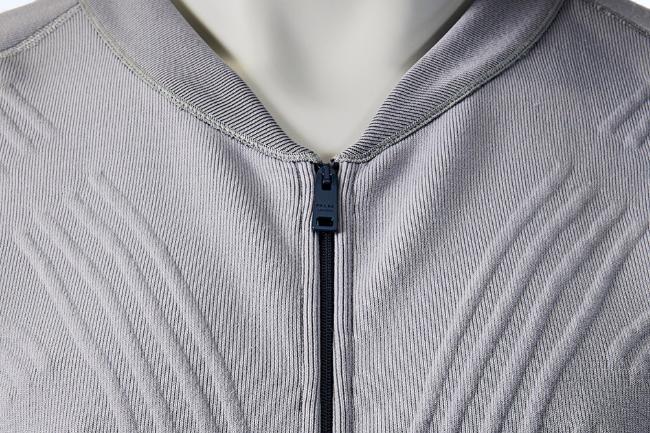
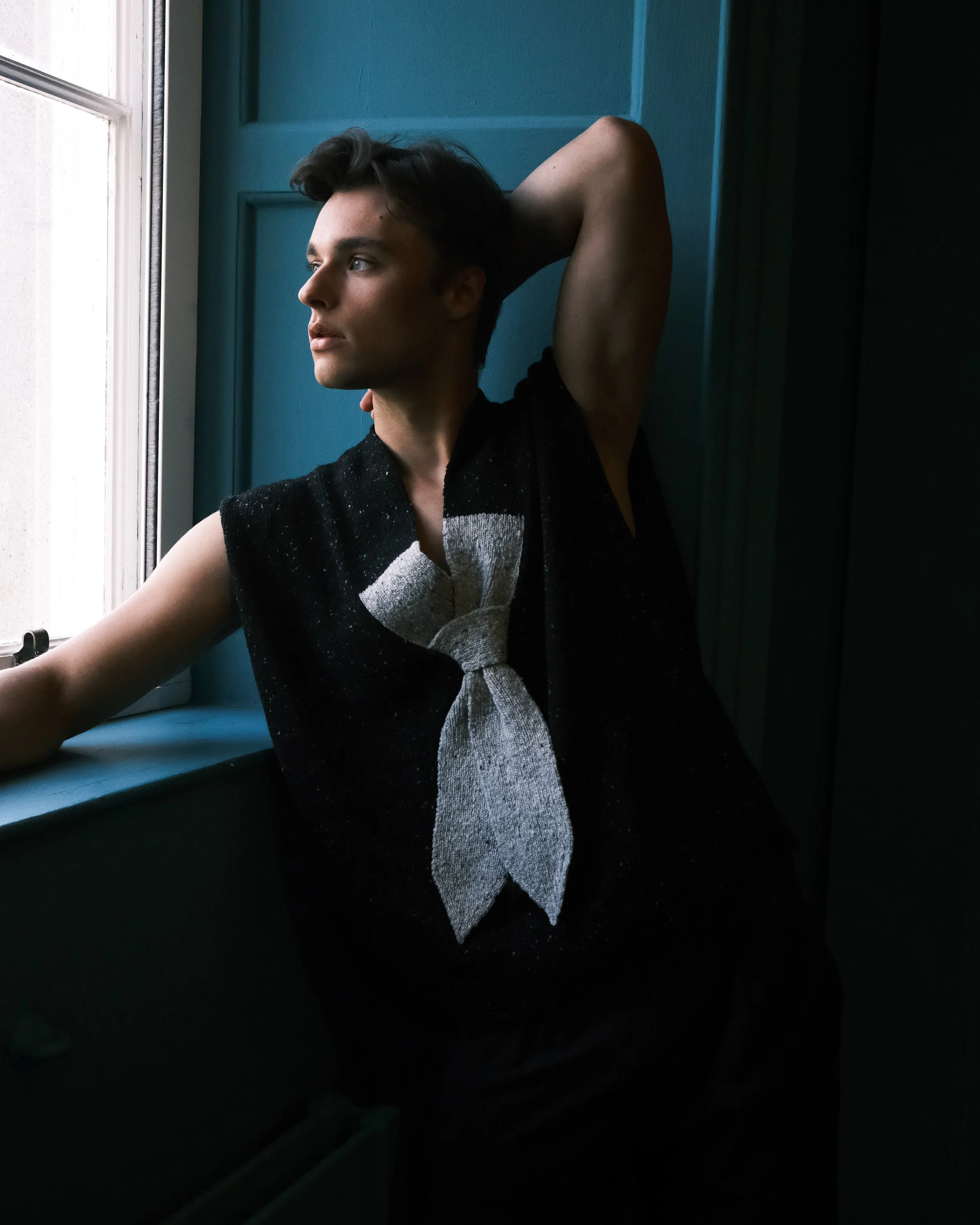
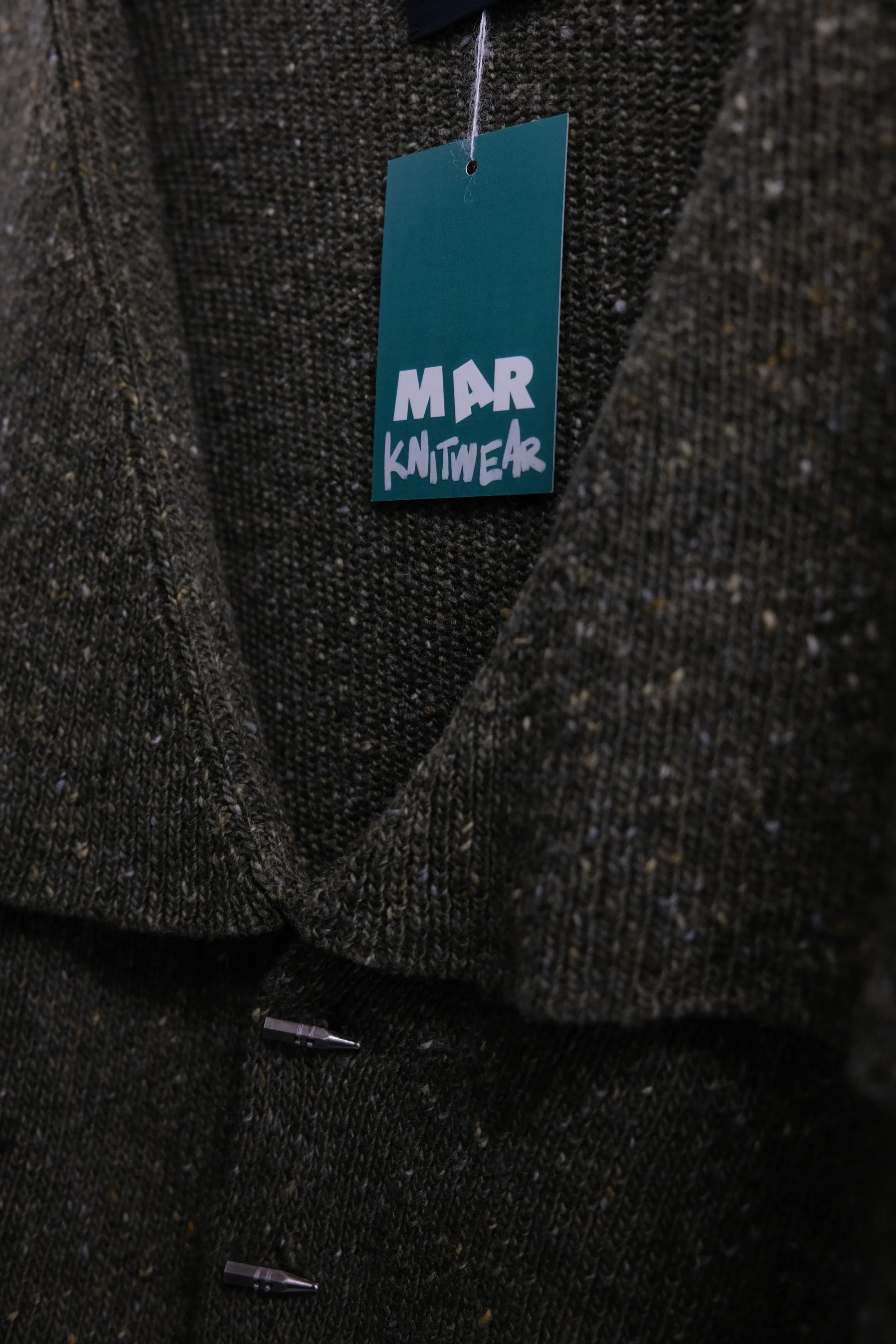
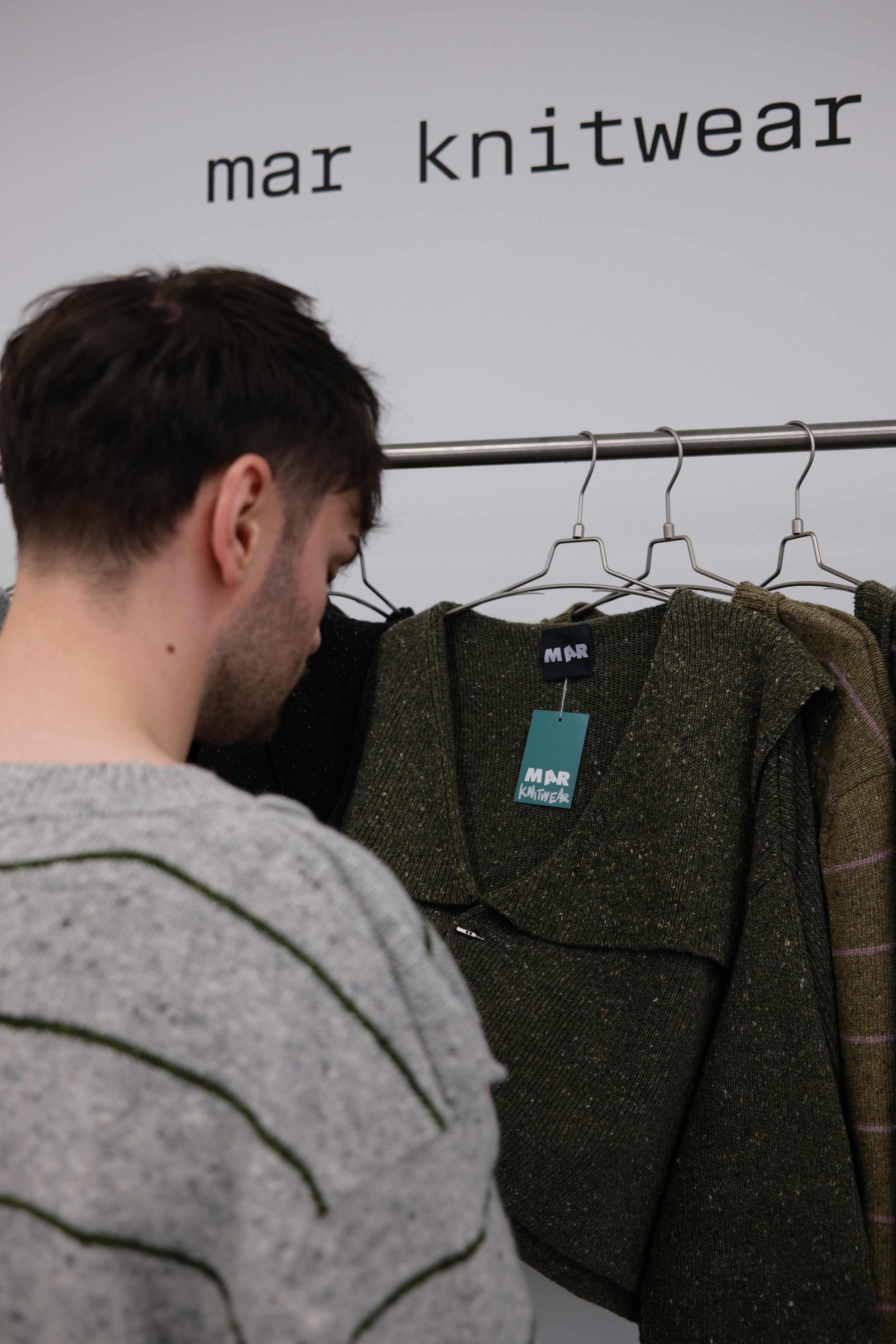
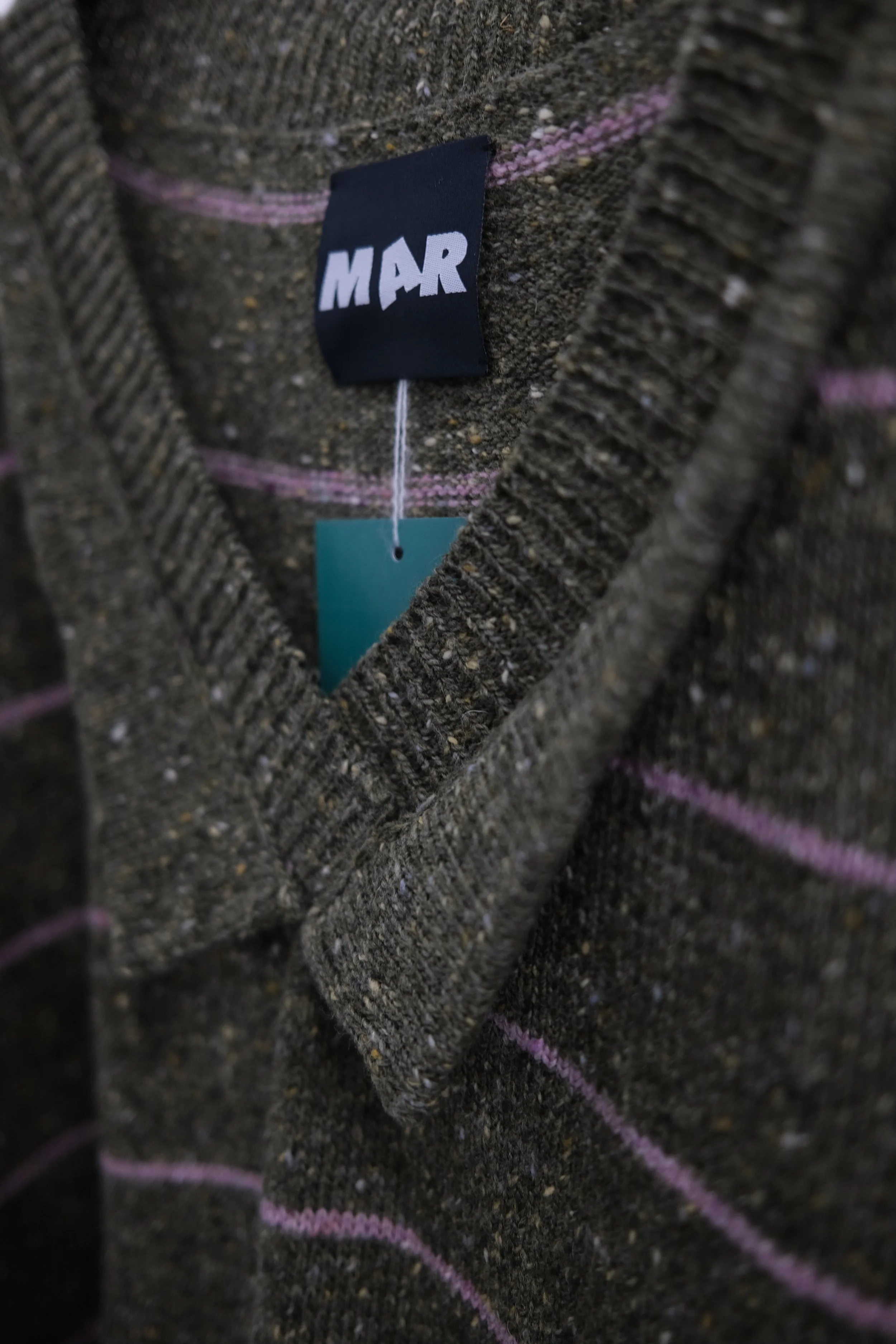
I started daydreaming about the students who attended the school and the uniforms they wore. Rather than focusing on the well-behaved students, I became interested in imagining the misfits, the ones who would much rather be running through the mist, catching frogs, and getting into all sorts of trouble. For the collection, I reinterpreted classic school-uniform silhouettes through playful contemporary details: vests with school-tie necklines, dissected frog motifs, and paper-plane-inspired collars.
Sustainability is core to MAR — locally sourced, natural fibers, ethical production. Where is the hardest compromise right now between staying small and sustainable and actually scaling the business?
For me, the hardest compromise is the balance between keeping production in-house and outsourcing. I've been advised countless times to outsource production in order to "scale the business", but after reflecting on it, I realised that I do what I do because I love making things with my hands. That's a core value for me, and if I wasn't doing that, I'd have to ask myself what the point was.
Rather than outsourcing while trying to grow the brand, I've chosen to invest in new knitwear machinery that allows me to produce at a faster pace without compromising the in-house nature of my business.
Irish knitwear carries a lot of heritage baggage. How do you reimagine that heritage without making a nostalgia piece?
As someone with a mixed ethnic background, I don't have a particularly personal sense of nostalgia attached to Irish knitwear, as it wasn't something deeply rooted within my family history. I think that perspective allows me to approach the craft from a different angle. My background encourages me to draw inspiration from a wide range of places, which can bring a fresh perspective to a heritage craft.
Every MAR piece feels playful but still wearable. What's your design test for knowing when a knit is too conceptual to produce?
It's a long design process. There's usually at least three prototype versions of a design before it's finalised. I often ask myself, "Would I wear this?" and if the answer is no, then I try to understand why.
Getting opinions from people around me also helps. For example, with my tie vests, I originally wanted to make knitted ties. When my partner reviewed the concept and questioned who would actually purchase a knitted tie, the design evolved for the better into the tie vest, which ultimately became the hero piece of the collection.
Over the past year, time has also become an important consideration. The more playful a design is, the longer it takes to produce, which in turn makes it more expensive. I think I'm getting better at finding a balance between playful and wearable because I want my pieces to remain somewhat accessible.
You emphasise ethical production. Can you talk us through who actually makes a MAR sweater, from yarn to finish, and how you keep that relationship transparent?
Currently, I operate as a sole trader, so I'm fully involved in every step of the process, from design and material exploration to production, finishing, and even the post office run. Every day is different, which keeps the process exciting.
I also like to be open about that journey through my social media channels. Many people purchase my work because they genuinely support and champion slow, ethically made fashion, so it's just as much about the maker as it is about the finished product.
Knitwear is slow fashion by nature. How do you design collections that stay relevant for more than one season when the industry still pushes drops every few weeks?
For me, the pace of the luxury fashion industry doesn't lend itself to creativity or healthy ways of working. It's a completely unrealistic standard.
I've always worked at my own pace because I need to enjoy what I'm doing. Great design comes from having the time and space to properly conceptualise and execute something that feels timeless and seasonless. If I've created a strong body of work that I truly believe in, then I think it deserves a long promotional cycle.
I'd encourage any emerging designer to work at their own pace and avoid burnout. The people who support and invest in slow, considered fashion understand what it takes to bring a product into the world. I think small designers should continue to work against the current system, a kind of quiet protest.
follow @mar_knitwear for live updates
STREET STYLE